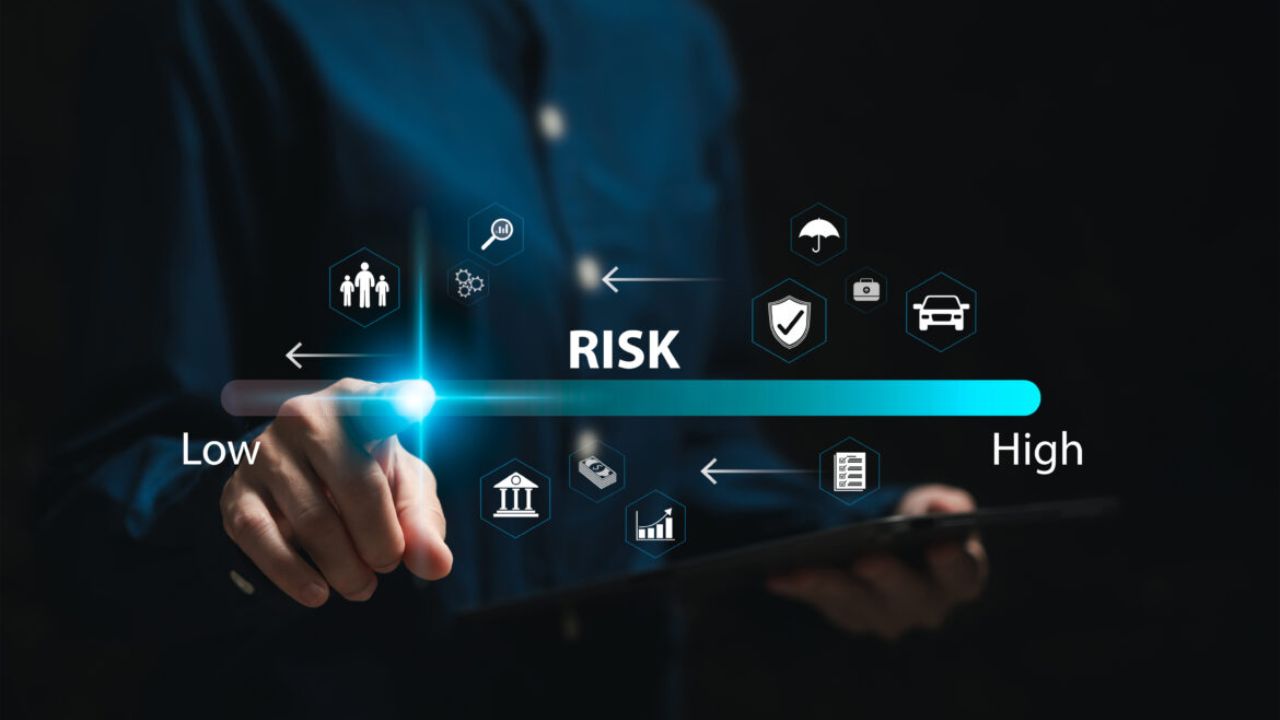
Audit functions are evolving rapidly as organizations adopt digital tools and data-driven systems. Automation is no longer limited to basic accounting processes. It now plays a central role in how auditors identify, assess, and monitor risk. As regulatory requirements become more complex and transaction volumes increase, automated audit technologies are reshaping modern risk assessment frameworks.
This article looks into how audit automation influences risk evaluation, internal controls, and compliance management in today’s business environment.
Evolution
Traditional auditing relied heavily on manual sampling, spreadsheet analysis, and retrospective reviews. While effective in earlier environments, these methods often struggled to keep pace with large-scale digital transactions.
Automation has introduced:
- Continuous auditing tools
- Real-time data analytics
- Artificial intelligence-based anomaly detection
- Robotic process automation for routine tasks
This shift enables auditors to move from periodic reviews to ongoing risk monitoring.
Scope

One major implication of audit automation is the expansion of audit scope. Instead of reviewing limited samples, auditors can now analyze full data sets.
The comparison below highlights this transition:
| Approach | Data Coverage |
|---|---|
| Manual auditing | Sample-based review |
| Automated audit | Full population review |
Full data analysis improves the detection of irregularities and reduces sampling risk.
Efficiency

Automation significantly improves operational efficiency. Routine processes such as reconciliations, compliance checks, and transaction matching can be executed automatically.
Benefits include:
- Reduced manual workload
- Faster reporting cycles
- Lower operational costs
- Consistent documentation trails
This efficiency allows audit teams to allocate more time to strategic risk evaluation rather than repetitive tasks.
Accuracy
Human error is a common risk factor in manual auditing. Automated systems apply predefined rules consistently across datasets, minimizing inconsistencies.
Advanced algorithms can:
- Identify unusual transaction patterns
- Flag policy deviations
- Detect duplicate entries
- Monitor segregation-of-duty conflicts
While automation reduces computational errors, oversight remains necessary to validate system outputs and ensure correct configuration.
Risk Modeling
Modern risk assessment increasingly relies on predictive analytics. Automation tools can analyze historical data to identify emerging risk trends.
Examples of automated risk indicators include:
| Risk Area | Automated Monitoring Method |
|---|---|
| Fraud detection | Pattern recognition models |
| Credit risk | Behavioral scoring systems |
| Compliance risk | Rule-based exception alerts |
| Operational risk | Process deviation analysis |
Predictive modeling enhances proactive risk management rather than reactive investigation.
Compliance
Regulatory frameworks require transparent documentation and consistent internal controls. Automation strengthens compliance monitoring by creating digital audit trails.
Automated compliance systems:
- Track policy adherence
- Log system access
- Monitor transaction thresholds
- Generate standardized reports
These features support regulatory reporting and reduce the likelihood of overlooked compliance breaches.
Governance
The integration of automation introduces new governance considerations. Organizations must evaluate system reliability, data integrity, and cybersecurity risks.
Key governance areas include:
- Access controls for automated systems
- Regular software updates
- Independent validation of algorithms
- Clear accountability structures
Audit committees and risk management teams must oversee both operational and technological risks associated with automation.
Challenges
Despite its advantages, audit automation presents certain challenges.
Common concerns include:
- Overreliance on technology
- Data quality issues
- Integration with legacy systems
- Initial implementation costs
Automated systems are only as effective as the data and controls supporting them. Poor data governance can compromise risk assessment outcomes.
Skill Requirements
As automation expands, skill requirements for audit professionals are evolving. Technical literacy, data analytics expertise, and system evaluation skills are increasingly important.
Modern auditors may require:
- Understanding of data visualization tools
- Familiarity with artificial intelligence models
- Knowledge of cybersecurity principles
- Ability to interpret automated outputs critically
This shift transforms auditing from a purely compliance-focused function to a technology-enabled analytical discipline.
Strategic Impact
Automation enhances strategic risk oversight by providing real-time insights. Continuous monitoring allows management to identify vulnerabilities earlier and implement corrective actions more efficiently.
Organizations adopting audit automation often experience:
- Improved internal control transparency
- Faster risk response times
- Enhanced stakeholder confidence
- Stronger fraud prevention frameworks
However, successful integration depends on balanced oversight and effective governance structures.
Audit automation represents a structural shift in modern risk assessment. By enabling full data analysis, predictive modeling, and continuous monitoring, automated tools strengthen accuracy and efficiency.
At the same time, organizations must address governance, data integrity, and skill development to ensure responsible implementation. When properly managed, audit automation enhances risk visibility and supports more resilient financial oversight in an increasingly digital environment.
FAQs
What is audit automation?
It uses technology to streamline audit tasks.
Does automation replace auditors?
No, it supports but does not replace them.
How does automation improve risk assessment?
Through full data analysis and monitoring.
Are there risks in automated audits?
Yes, including data and system risks.
What skills do modern auditors need?
Data analytics and tech evaluation skills.