

As data becomes a critical asset for decision-making, terms like Business Intelligence (BI) and Business Analytics (BA) are often used interchangeably. While both involve analyzing data to support business decisions, they differ in purpose, approach, and application.
This article looks into the fundamental differences between Business Intelligence and Business Analytics, their tools, real-world examples, and how organizations can benefit from both.
Overview
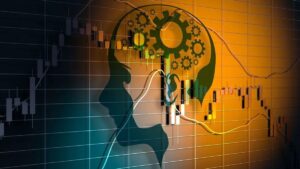
At a high level, both Business Intelligence and Business Analytics focus on data. However, BI is about knowing what happened, while BA is about predicting what will happen or suggesting what should happen.
Think of BI as looking in the rear-view mirror – analyzing past and current data for reporting and monitoring. BA, on the other hand, looks forward – using data to forecast trends, find patterns, and make strategic decisions.
| Feature | Business Intelligence (BI) | Business Analytics (BA) |
|---|---|---|
| Main Focus | Descriptive and diagnostic | Predictive and prescriptive |
| Data Orientation | Historical and current data | Current and future data |
| Purpose | Reporting and performance tracking | Forecasting and strategy |
| Tools Used | Dashboards, reports, OLAP tools | Statistical analysis, data mining |
| Output | What happened and why | What might happen and what to do |
BI
Business Intelligence is primarily used for data visualization, reporting, and monitoring key performance indicators (KPIs). It helps managers and executives get a real-time view of business operations.
Key Features:
- Dashboards with real-time data
- Custom and ad hoc reporting
- Data warehousing and ETL (Extract, Transform, Load) processes
- OLAP (Online Analytical Processing) tools
Examples:
- A sales dashboard showing monthly performance by region
- A finance report summarizing expenses across departments
- An HR dashboard tracking employee turnover rates

Popular BI tools include:
- Microsoft Power BI
- Tableau
- Qlik Sense
- SAP BusinessObjects
BA
Business Analytics uses advanced statistical methods and machine learning to predict outcomes and optimize processes. It supports decision-making based on data modeling and simulations.
Key Features:
- Predictive modeling
- Forecasting trends
- Prescriptive analytics
- Scenario analysis
Examples:
- Forecasting customer churn using historical behavior
- Recommending personalized offers based on buying patterns
- Optimizing supply chain logistics through simulation models
Popular BA tools include:
- SAS Analytics
- IBM SPSS
- RapidMiner
- Python and R (for custom analytics models)
Integration

In modern organizations, BI and BA are often used together. While BI helps understand what’s happening now or what has happened, BA helps businesses prepare for the future.
Use Case Comparison:
| Use Case | Business Intelligence | Business Analytics |
|---|---|---|
| Monthly sales report | Shows total sales by product | Predicts next month’s sales |
| Customer feedback dashboard | Tracks satisfaction scores | Analyzes factors causing dissatisfaction |
| Inventory tracking | Lists current stock levels | Forecasts future inventory needs |
A typical data-driven company will use BI for operational decisions and BA for strategic planning.
Bestpractices
To effectively use BI and BA, organizations should consider these best practices:
- Define clear goals: Know whether you’re trying to explain past trends or make future predictions.
- Use the right tools: Match your software to your needs – BI tools for dashboards, BA tools for modeling.
- Clean your data: Both BI and BA rely on accurate, consistent data.
- Promote data literacy: Train employees to interpret reports and analytics correctly.
- Ensure integration: Connect your BI and BA tools with enterprise systems for seamless data flow.
Future
As technology advances, the lines between BI and BA continue to blur. Many tools now offer both real-time dashboards and predictive analytics within the same platform.
Trends to watch:
- AI-powered insights: Combining BI dashboards with automated analytics
- Self-service analytics: Empowering users to explore and analyze data without IT support
- Natural Language Query (NLQ): Ask questions in plain language and get visual responses
- Unified platforms: Integrated BI-BA environments powered by cloud services
Both BI and BA are evolving, becoming more accessible and critical for competitive advantage.
Business Intelligence and Business Analytics serve different but complementary roles. BI helps organizations monitor performance and know the past, while BA provides insights to drive future decisions. By combining both, businesses can gain a 360-degree view of operations and create a more resilient, data-driven strategy.
FAQs
Is BI the same as BA?
No, BI analyzes past data, while BA predicts future outcomes.
Which tools are used in BI?
Power BI, Tableau, Qlik, and SAP BusinessObjects.
What is predictive analytics?
It forecasts future outcomes using historical data.
Can a company use both BI and BA?
Yes, many organizations integrate both for full insights.
Do BI and BA need clean data?
Absolutely. Data accuracy is critical for both approaches.