
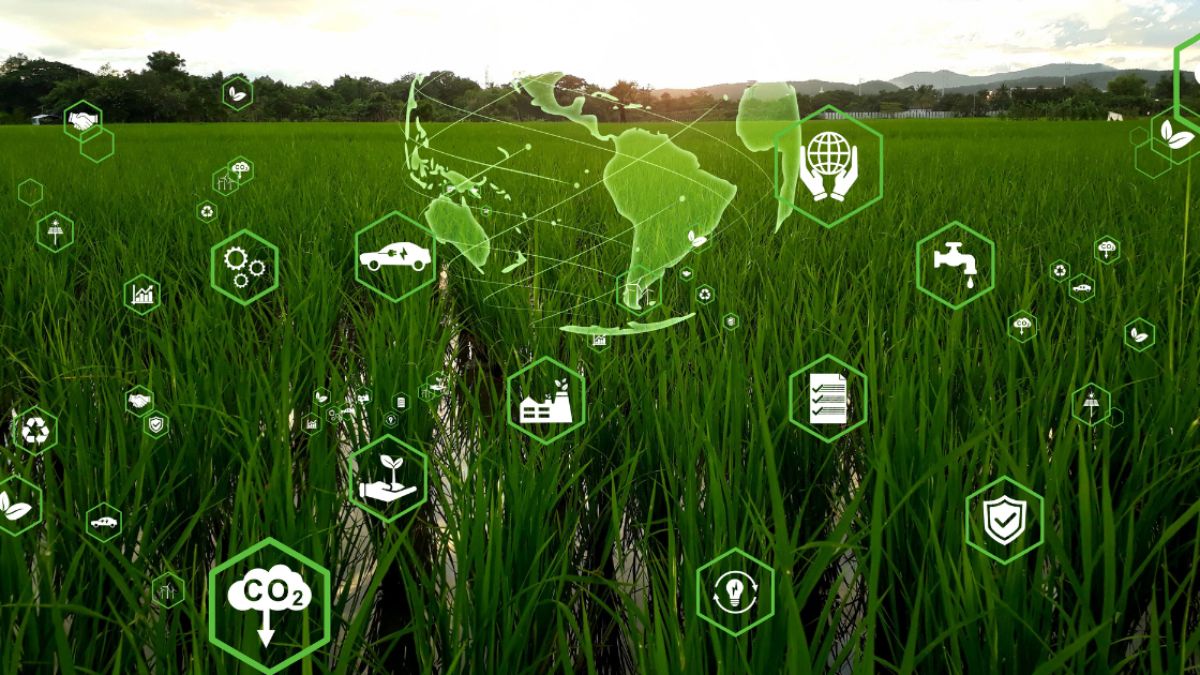
In an increasingly digital world, the environmental footprint of information technology has become a growing concern. From massive data centers to billions of personal devices, IT infrastructure consumes vast amounts of energy and generates significant electronic waste. Green IT – also known as sustainable IT – is the practice of designing, using, and managing IT resources in ways that minimize environmental impact while maximizing energy efficiency.
This article look into the key principles of Green IT, its benefits, and how organizations can implement sustainable systems to meet both environmental and business goals.
Definition
Green IT refers to environmentally responsible computing. It includes efforts to:
- Reduce energy consumption of hardware and systems
- Minimize e-waste and improve recycling
- Use sustainable materials in production
- Optimize IT operations for environmental performance
Sustainable systems go beyond technology-they incorporate policies, lifecycle management, and organizational culture that support long-term ecological goals.
Environmental Impact
The environmental cost of IT is larger than many realize. According to various industry reports:
- Data centers consume around 1-2% of global electricity annually
- Electronic waste (e-waste) totals over 50 million tons per year
- Carbon emissions from IT operations are comparable to the airline industry

Main sources of environmental impact include:
- Energy usage from servers, cooling systems, and networks
- Production footprint of devices and infrastructure
- Short lifecycles of consumer electronics and corporate hardware
Without intervention, these impacts will only grow as digital demand increases.
Energy Efficiency
Energy efficiency is at the heart of Green IT. Sustainable systems aim to deliver the same (or better) performance with less power consumption. Strategies include:
- Server virtualization: Consolidates workloads onto fewer physical machines
- Efficient cooling systems: Uses AI or liquid cooling to reduce energy waste
- Cloud migration: Shared infrastructure is often more energy-efficient than on-premise data centers
- Smart power management: Automated sleep modes, low-power devices, and energy monitoring tools

These approaches not only reduce energy use but often lower costs as well.
Here’s a comparison of traditional vs. sustainable IT practices:
| Area | Traditional IT Practice | Green IT Practice |
|---|---|---|
| Hardware Usage | High redundancy, low utilization | Virtualized, consolidated servers |
| Cooling | Constant HVAC operation | AI-optimized or natural cooling solutions |
| Device Lifecycle | Frequent replacements | Extended use, repair, recycling |
| Energy Monitoring | Manual tracking | Real-time, automated systems |
Green Hardware
Green IT also involves choosing and maintaining environmentally friendly hardware. Key features include:
- Energy Star certification
- RoHS compliance (restriction of hazardous substances)
- Modular designs for easier upgrades or repairs
- Recyclable materials used in construction
Vendors are increasingly offering eco-conscious laptops, printers, and networking gear designed to lower emissions and reduce waste.
Cloud and Virtualization
Cloud computing plays a major role in sustainable IT. Leading providers like Microsoft Azure, AWS, and Google Cloud are investing heavily in renewable energy and efficient data centers.
Benefits of cloud-based infrastructure:
- Shared resources improve overall utilization
- Fewer physical devices required on-site
- Scalable services prevent over-provisioning
- Providers often meet higher environmental standards
Virtualization – running multiple systems on a single physical server – further enhances efficiency and flexibility.
Policy and Compliance
Adopting Green IT requires clear internal policies and alignment with global sustainability frameworks. Key practices include:
- Procurement policies that favor green-certified vendors
- Device disposal protocols for recycling and secure e-waste management
- Sustainability reporting to track progress and meet ESG goals
- Training programs to promote awareness and responsible behavior
Many organizations also align their efforts with frameworks like:
- ISO 14001 (Environmental Management Systems)
- ENERGY STAR® program standards
- UN Sustainable Development Goals (SDG 12, Responsible Consumption)
Business Value
Sustainability isn’t just ethical – it’s strategic. Green IT can bring measurable benefits:
- Reduced operational costs from energy savings
- Extended hardware lifecycle reduces capital expenditure
- Enhanced brand reputation among eco-conscious customers
- Regulatory compliance with environmental standards and laws
Sustainable IT practices are increasingly considered a competitive advantage in a market that values transparency and corporate responsibility.
Challenges
Despite the benefits, there are barriers to adoption:
- Initial investment in energy-efficient systems or redesigns
- Lack of awareness or training within organizations
- Complexity in transitioning legacy systems
- Measuring impact effectively and consistently
Overcoming these requires strong leadership, clear goals, and long-term planning.
Future Outlook
The future of Green IT lies in smarter, more adaptive systems. Trends shaping the next generation include:
- AI-driven optimization for power and cooling
- Carbon-aware computing (scheduling tasks during clean energy availability)
- Circular IT economy focused on reuse and refurbishment
- Sustainable AI and low-energy machine learning models
Organizations that embrace these innovations will be better positioned for both environmental and economic resilience.
Green IT and sustainable systems are no longer optional. They are essential for organizations aiming to reduce their environmental footprint, meet compliance standards, and operate more efficiently. By investing in smarter infrastructure, energy-conscious practices, and forward-thinking policies, businesses and institutions can make a meaningful impact on both their bottom line and the planet.
FAQs
What is Green IT?
Green IT refers to environmentally responsible use of technology.
How does IT affect the environment?
Through energy use, emissions, and electronic waste generation.
What makes IT systems energy-efficient?
Virtualization, efficient cooling, and smart power management.
Is cloud computing part of Green IT?
Yes — it improves energy use by sharing infrastructure.
What are the benefits of Green IT?
Lower costs, better sustainability, and enhanced brand image.