
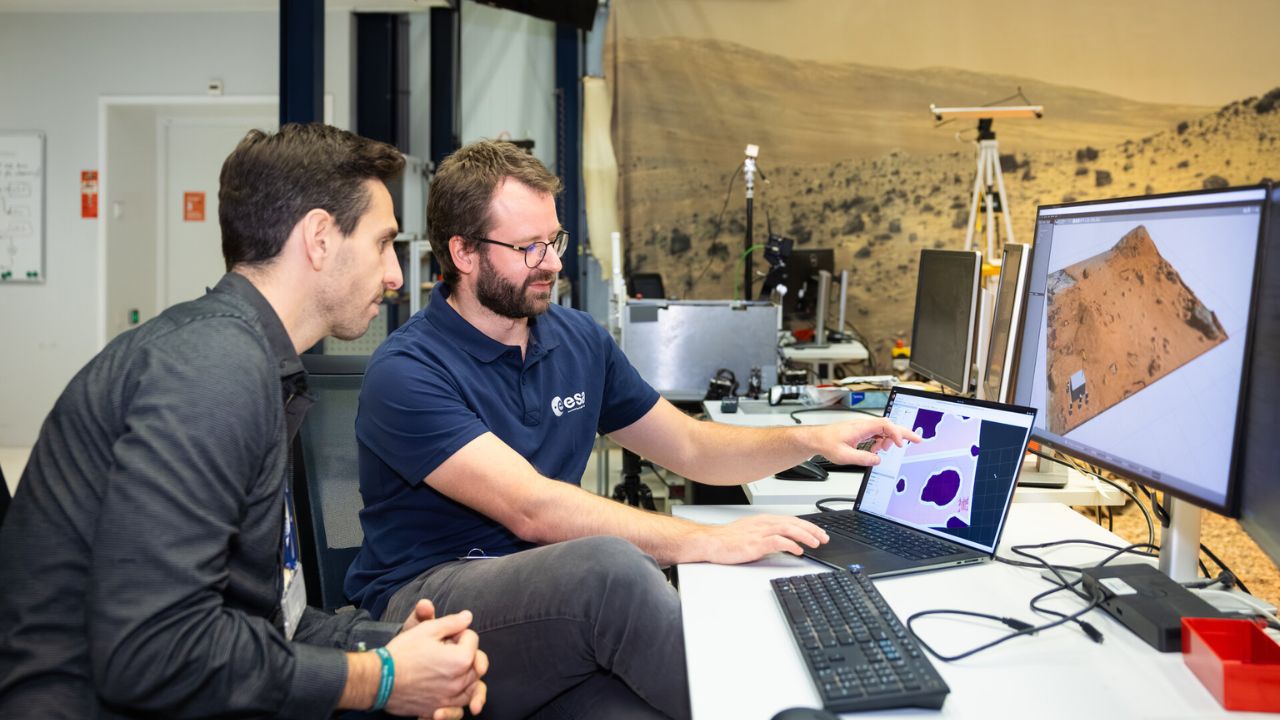
Industry and academia have long operated in parallel, but over the past two decades, their collaboration has become more structured and strategic. Industry co-funded research models represent a practical framework where private companies and research institutions jointly finance and guide innovation projects.
Rather than relying solely on public grants or internal R&D budgets, these partnerships distribute cost, responsibility, and potential return. The result is a research ecosystem that is more aligned with market demand and capable of producing tangible outcomes.
Context

Co-funded research involves financial contributions from both an industry partner and an academic or research institution. In many cases, public agencies may also provide matching support, but the defining feature is shared investment between the private and research sectors.
This model emerged from the need to bridge the gap between laboratory discoveries and commercial application. Academic institutions generate knowledge and early-stage breakthroughs. Companies bring operational expertise, manufacturing capacity, and access to markets. By combining these strengths, co-funded research creates a pathway from concept to implementation.
Structure
While arrangements vary by sector and geography, most co-funded research partnerships follow a structured format. Clear governance frameworks are essential to ensure transparency and accountability.
| Component | Description |
|---|---|
| Funding Share | Costs divided between company and institution |
| Research Scope | Defined objectives aligned with business needs |
| IP Rights | Agreed ownership and licensing terms |
| Milestones | Timelines with measurable deliverables |
| Commercial Plan | Strategy for scaling or market entry |

Formal agreements typically outline roles, reporting requirements, publication rights, and dispute resolution mechanisms. These safeguards help maintain balance between academic independence and commercial priorities.
Outcomes
Evidence from multiple industries indicates that co-funded research models produce measurable results. By aligning research objectives with market needs from the outset, projects often move more efficiently toward practical application.
Common outcomes include:
| Metric | Observed Impact |
|---|---|
| Development Time | Reduced by 20-40% in some sectors |
| Research Costs | Shared financial burden lowers exposure |
| Patent Activity | Increase in joint filings |
| Technology Transfer | Faster licensing and deployment |
| Employment | Growth in R&D and technical roles |

In pharmaceuticals, industry-academic partnerships have accelerated clinical research pipelines. In renewable energy, collaborative research has improved battery storage performance and grid integration technologies. In advanced manufacturing and digital technology, joint research centers have shortened product development cycles.
These outcomes reflect structured coordination rather than isolated experimentation.
Economic
Beyond individual projects, co-funded research contributes to broader economic development. Innovation clusters often emerge around universities with strong industry ties. These ecosystems attract investment, support start-ups, and create high-skilled employment opportunities.
Governments in several regions encourage such models through tax incentives, research credits, and public-private funding schemes. The objective is to strengthen national competitiveness while maintaining scientific excellence.
By distributing risk across partners, companies are more willing to pursue longer-term research initiatives that might otherwise be financially prohibitive.
Governance
One of the critical elements of successful co-funded research is governance. Academic institutions and corporations operate under different timelines and performance expectations. Universities often prioritize publication and knowledge dissemination. Companies focus on product development timelines and return on investment.
Clear intellectual property agreements are essential. Defining ownership, licensing rights, and revenue-sharing terms at the outset reduces potential disputes later. Regular progress reviews and joint steering committees also improve coordination.
When governance structures are well defined, partnerships tend to be stable and productive.
Challenges
Despite measurable benefits, challenges remain. Cultural differences between academia and industry can affect communication and expectations. Funding cycles may not always align with research timelines. There can also be concerns about academic independence or confidentiality.
These issues are typically addressed through transparent agreements and open dialogue. Over time, many institutions have developed dedicated liaison offices to manage industry relationships and ensure compliance with research standards.
The continued expansion of co-funded research suggests that stakeholders view these challenges as manageable within a structured framework.
Trends
Globally, industry co-funded research models are expanding in sectors such as climate technology, health innovation, artificial intelligence, and advanced materials. Digital collaboration tools and shared research platforms have made cross-border partnerships more feasible.
Research parks, innovation districts, and joint laboratories are becoming common features of modern universities. These environments foster sustained interaction between researchers and industry professionals.
As technology becomes more complex and capital-intensive, collaborative funding models are likely to remain a central feature of innovation systems.
Industry co-funded research models provide a structured approach to collaboration between academia and business. By sharing financial responsibility, aligning objectives, and establishing clear governance mechanisms, these partnerships deliver measurable outcomes across sectors. While challenges exist, the model continues to evolve as a practical means of translating research into economic and societal value.
FAQs
What is industry co-funded research?
Joint funding between companies and research institutions.
Why is shared funding important?
It distributes cost and reduces financial risk.
Does co-funded research speed development?
Yes, it often shortens product timelines.
Who owns the intellectual property?
Ownership is defined in formal agreements.
Which sectors use this model most?
Pharma, energy, tech, and manufacturing.