
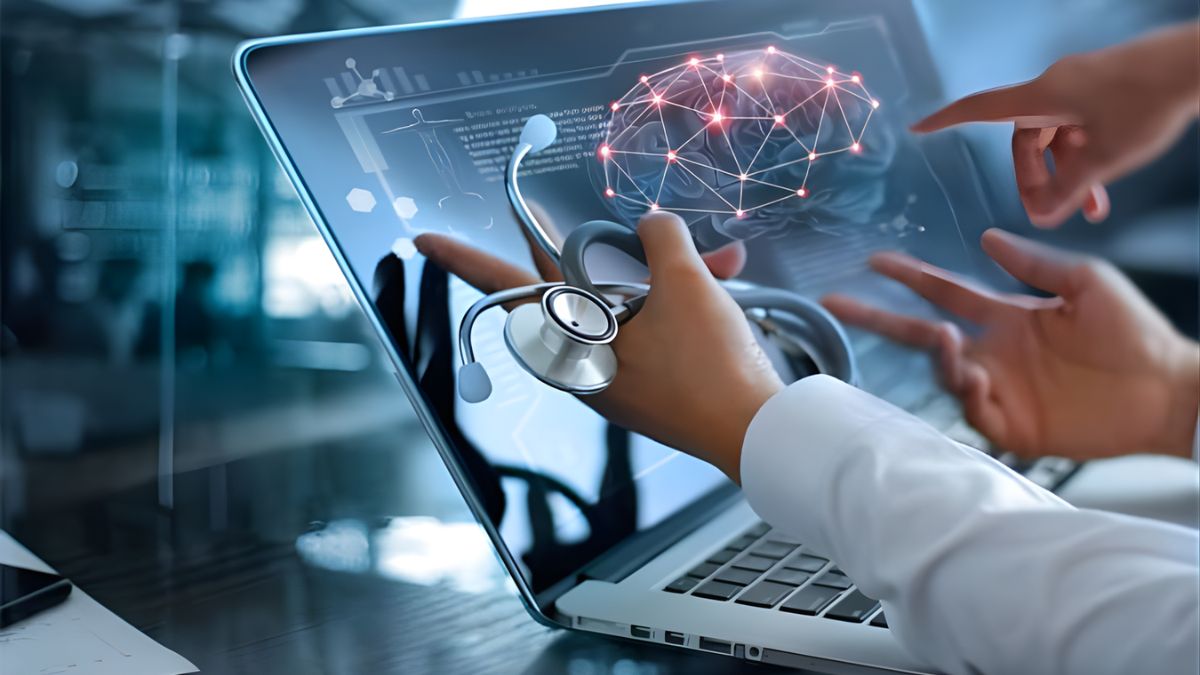
Healthcare is undergoing a digital transformation, with information systems playing a central role in improving patient care, enhancing efficiency, and enabling data-driven decisions. From electronic health records to telehealth platforms, the use of Information Systems (IS) in healthcare has expanded rapidly in recent years.
But with this growth comes complexity. Knowing how these systems function, where they’re headed, and what gaps still exist is essential for researchers, practitioners, and policymakers alike.
Overview

Information systems in healthcare refer to the technology and infrastructure used to collect, store, manage, and transmit patient data and clinical information. These systems support everything from diagnosis and treatment planning to administrative operations and billing.
Well-integrated healthcare IS can enhance care coordination, reduce medical errors, and streamline workflows. However, implementation is rarely simple due to strict regulations, privacy concerns, and interoperability issues.
Trends
Several key trends are shaping the current landscape of healthcare information systems:
1. Electronic Health Records (EHRs)

EHRs have become the backbone of digital healthcare. They offer real-time access to patient data, medication history, and lab results, improving clinical decision-making.
2. Telemedicine Expansion
The COVID-19 pandemic accelerated the adoption of telehealth solutions. Today, virtual consultations, remote monitoring, and mobile health apps are mainstream components of care delivery.
3. Artificial Intelligence and Analytics
AI is helping providers predict disease progression, personalize treatments, and detect anomalies in medical images. Advanced analytics also support population health management and resource allocation.
4. Interoperability Standards

Efforts like HL7 FHIR are helping different systems “talk” to each other. Better interoperability ensures that healthcare providers have a complete view of a patient’s records, regardless of the source.
5. Cybersecurity and Data Protection
As data breaches become more frequent, healthcare organizations are investing in cybersecurity technologies to protect sensitive information and maintain patient trust.
6. Wearable and IoT Devices
Wearables like smartwatches and glucose monitors collect real-time health metrics. Integrating this data into healthcare systems supports proactive care and chronic disease management.
Challenges
Despite technological advances, several critical challenges remain:
- Data Privacy and Security – Healthcare systems must comply with regulations like HIPAA and GDPR, making data handling complex and high-risk.
- System Fragmentation – Many organizations still use legacy systems that don’t integrate well, leading to data silos and inconsistent information.
- User Adoption Issues – Physicians and nurses often face steep learning curves or workflow disruptions when new systems are introduced.
- High Implementation Costs – Upgrading or replacing existing systems requires significant financial and human resources.
- Lack of Standardization – Inconsistent data formats, terminology, and system architectures hinder seamless data exchange.
Research Gaps
As healthcare IS continue to evolve, several areas need further study and innovation:
| Research Area | Key Focus |
|---|---|
| Usability and Design | Designing systems that align with clinical workflows |
| Long-term Outcomes | Studying how IS affects patient care over time |
| Data Integration | Improving real-time integration across platforms |
| Ethical Use of AI | Ensuring fairness, accountability, and transparency |
| Rural and Underserved Populations | Expanding access to digital healthcare services |
These gaps highlight the need for interdisciplinary collaboration among IT experts, healthcare professionals, and policy researchers.
Benefits
Despite the challenges, the advantages of healthcare IS are substantial:
- Improved Patient Safety – Alerts, reminders, and error checks help prevent adverse events.
- Operational Efficiency – Automating routine tasks reduces administrative burdens.
- Better Data Access – Clinicians can retrieve complete medical histories instantly.
- Enhanced Patient Engagement – Portals and apps let patients view records, schedule appointments, and communicate with providers.
Future Directions
Looking ahead, healthcare IS will likely become more personalized, predictive, and preventative. Key developments to watch include:
- Precision Medicine Platforms – Leveraging genetic data for customized treatment.
- Blockchain in Health Records – Enhancing data integrity and patient control.
- AI-Driven Decision Support – Providing real-time recommendations during care.
- Expanded Telehealth Networks – Increasing reach to remote and underserved areas.
- Sustainable Infrastructure – Focusing on scalable and eco-friendly IT solutions.
Healthcare systems are not just about technology – they’re about people. The continued evolution of healthcare information systems must keep both the technical and human elements in balance to achieve true digital transformation in medicine.
FAQs
What is a healthcare information system?
It is a digital platform used to manage patient and clinical data.
Why is interoperability important in healthcare?
It allows different systems to share data, improving care coordination.
How is AI used in healthcare IS?
AI helps in diagnosis, treatment planning, and predictive analytics.
What are the risks of poor cybersecurity?
They include data breaches, privacy violations, and system downtime.
What research gaps exist in healthcare IS?
Key gaps include usability, ethics of AI, and access in rural areas.