
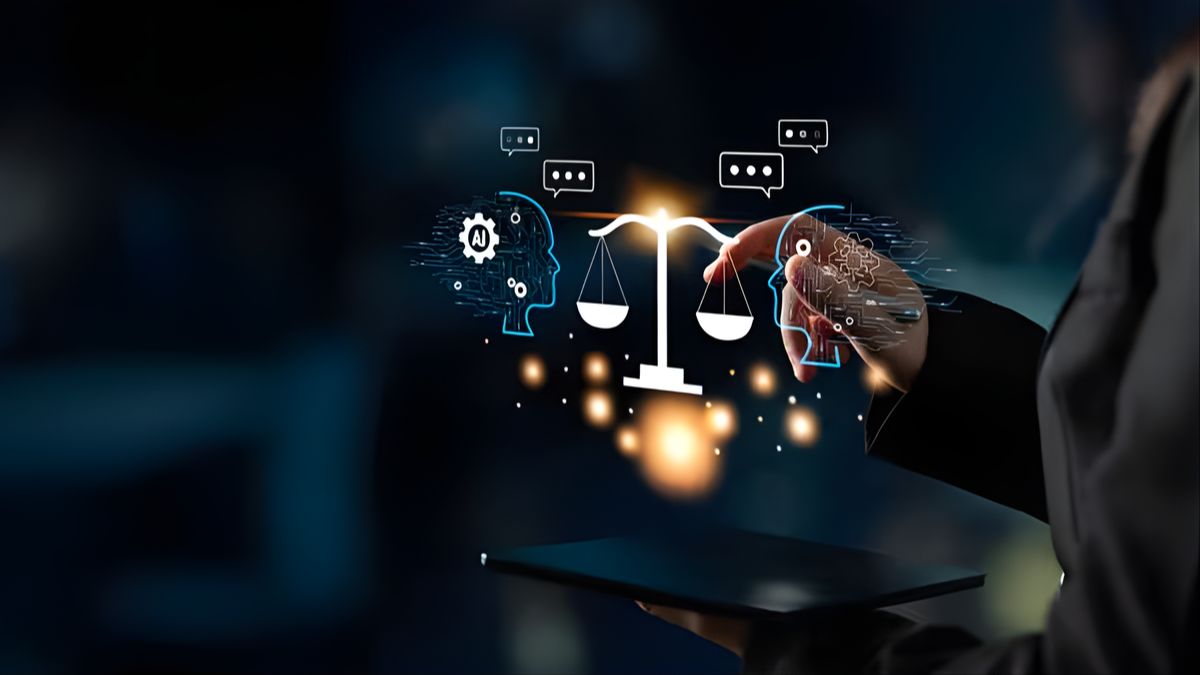
As organizations become increasingly dependent on technology, the need for structured oversight has never been more critical. IT governance provides that oversight – aligning IT investments with business strategy, ensuring accountability, and driving performance. A strong governance model ensures that technology supports organizational goals while minimizing risk and maximizing value.
This article looks into the key components of IT governance models, including alignment, accountability structures, and methods for measuring IT performance.
Definition
IT governance is a subset of corporate governance that focuses on the management and use of information technology. It defines who makes decisions, how those decisions are made, and how performance is tracked.
Core objectives of IT governance include:
- Strategic alignment of IT with business objectives
- Resource optimization
- Risk management and compliance
- Performance measurement and value delivery
- Accountability for IT decisions and actions
Governance frameworks provide organizations with structured models to achieve these goals efficiently.
Alignment

One of the most critical goals of IT governance is strategic alignment – ensuring that IT priorities support and advance business goals.
Key strategies for alignment:
- Joint planning: IT and business leaders collaborate on strategic planning.
- Portfolio management: Projects are selected and funded based on business value.
- Clear communication: IT departments know business needs, and business leaders understand IT capabilities.
- Enterprise architecture: A structured approach ensures IT infrastructure supports long-term organizational growth.
Without alignment, IT initiatives risk becoming disconnected from real organizational needs, leading to wasted resources and poor outcomes.
Accountability

Accountability in IT governance refers to defining who is responsible for decisions, performance, and risk. Strong governance models outline clear roles and responsibilities across the organization.
Typical accountability roles:
- Board of Directors / Executive Leadership: Set IT strategy and risk tolerance.
- CIO / CTO: Responsible for implementation and IT leadership.
- IT Steering Committee: A cross-functional group that evaluates and prioritizes IT projects.
- Project Managers and Department Heads: Accountable for execution, compliance, and results.
A “RACI” matrix (Responsible, Accountable, Consulted, Informed) is often used to map roles to key governance processes.
Governance Frameworks
Several formal models exist to guide IT governance. The most commonly used include:
| Framework | Description | Focus Areas |
|---|---|---|
| COBIT | Control Objectives for Information and Related Technology | Governance, risk, compliance, and control |
| ITIL | IT Infrastructure Library | Service management and continuous improvement |
| ISO/IEC 38500 | International standard for corporate IT governance | Leadership, responsibility, and performance |
| CMMI | Capability Maturity Model Integration | Process improvement and performance metrics |
Organizations may use one or combine several, depending on size, structure, and industry.
Performance Measurement
Effective IT governance includes monitoring the value and performance of IT initiatives. Performance measurement ensures that investments deliver results and that problems are addressed quickly.
Common performance metrics:
- ROI and cost-benefit analysis
- Project delivery on time and budget
- System availability and reliability (uptime)
- Service desk responsiveness (ticket resolution times)
- IT risk indicators (e.g., incident rates, compliance gaps)
These metrics are tracked using dashboards and KPIs tailored to business and technology objectives.
Risk and Compliance
IT governance also plays a central role in managing IT risk, including cybersecurity, data protection, and regulatory compliance. This involves:
- Identifying risks across systems, processes, and third-party services
- Implementing controls to prevent data breaches or system failures
- Monitoring compliance with laws like GDPR, HIPAA, or local regulations
- Auditing and documentation for accountability
A well-governed IT environment helps mitigate risks that could otherwise cause reputational or financial damage.
Benefits
Organizations with strong IT governance enjoy clear advantages:
- Better alignment between technology and strategy
- Higher return on IT investments
- Faster, more informed decision-making
- Reduced operational and compliance risk
- Improved stakeholder confidence and transparency
These outcomes support both long-term growth and short-term efficiency.
Challenges
Despite its value, IT governance can be difficult to implement. Common challenges include:
- Cultural resistance to oversight or process changes
- Lack of clarity in roles and decision rights
- Overly rigid frameworks that limit innovation
- Inadequate tools for performance tracking and reporting
Successful IT governance requires leadership buy-in, continuous adaptation, and integration with enterprise governance.
Future Trends
IT governance continues to evolve alongside digital transformation. Future-focused governance models will emphasize:
- Agile governance to support fast-moving innovation cycles
- Data governance integration for AI, analytics, and big data
- Cloud-specific governance for hybrid and multi-cloud environments
- Sustainability and ESG alignment in IT decision-making
Governance is no longer just about control – it’s about enabling smarter, responsible, and forward-looking IT strategies.
A well-designed IT governance model empowers organizations to control risk, measure performance, and align IT decisions with strategic goals. Whether through global standards like COBIT or internal frameworks, effective governance ensures that IT becomes a value driver – not just a cost center – in the digital age.
FAQs
What is IT governance?
It’s a framework for aligning IT with business goals and ensuring accountability.
Why is alignment important in IT governance?
It ensures IT investments support strategic business objectives.
What is a RACI matrix?
A tool that defines roles: Responsible, Accountable, Consulted, Informed.
Which frameworks guide IT governance?
COBIT, ITIL, ISO/IEC 38500, and CMMI are widely used.
How is IT performance measured?
Through KPIs like ROI, uptime, cost efficiency, and risk indicators.