
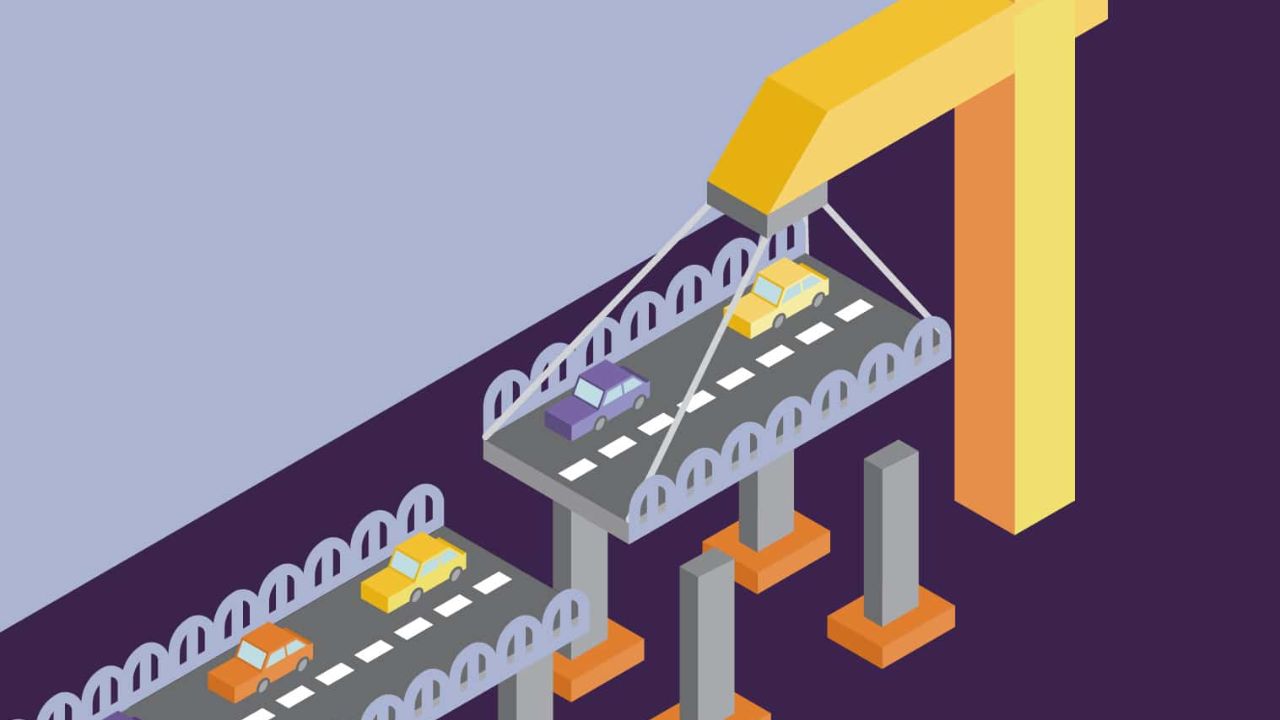
Across governments and public agencies, legacy systems continue to power critical services. These systems often manage tax records, healthcare data, licensing, benefits distribution, and infrastructure operations. Many were designed decades ago, using outdated programming languages and hardware environments. While they may remain functional, they frequently limit innovation, increase maintenance costs, and expose institutions to security risks.
Transforming legacy systems is not simply a technical upgrade. It is an organizational shift that affects governance, budgeting, workforce skills, and public service delivery. Careful planning and structured execution are essential to ensure continuity while enabling modernization.
Context

Public institutions typically rely on systems built for long-term stability rather than rapid change. Over time, incremental updates create complex dependencies. Documentation may be incomplete, and institutional knowledge often resides with a small group of experienced personnel.
Several factors drive modernization efforts:
- Rising maintenance costs
- Cybersecurity vulnerabilities
- Integration challenges with modern platforms
- Demand for digital public services
- Regulatory compliance requirements
Legacy environments can constrain service delivery. For example, systems that cannot support real-time data exchange may delay decision-making or reduce transparency.
Challenges

Modernizing legacy systems presents operational and strategic challenges. Public institutions must maintain uninterrupted services while introducing new technologies. Budget cycles and procurement regulations may also slow transformation timelines.
Common obstacles include:
| Challenge | Operational Impact |
|---|---|
| Data Migration Complexity | Risk of data loss or inconsistency |
| Vendor Lock-In | Limited flexibility in technology choices |
| Skill Gaps | Shortage of modern technical expertise |
| Budget Constraints | Delayed project implementation |
| Security Exposure | Increased vulnerability during transition |
Knowing these constraints allows institutions to design realistic modernization roadmaps.
Strategy

A phased strategy often produces more sustainable outcomes than full system replacement. Incremental transformation reduces operational disruption and spreads financial investment over multiple budget cycles.
Key strategic approaches include:
- Application refactoring to improve code efficiency
- Rehosting systems in cloud environments
- Replatforming databases for scalability
- Replacing high-risk components first
Each approach carries trade-offs. Rehosting may provide immediate infrastructure flexibility but does not address outdated architecture. Full replacement may improve long-term efficiency but requires higher upfront investment.
Decision-makers must evaluate cost, risk, and public service impact when selecting a modernization pathway.
Governance
Strong governance structures support successful transformation. Clear accountability ensures that modernization initiatives align with institutional objectives.
Governance components may include:
| Governance Element | Purpose |
|---|---|
| Executive Oversight | Aligns modernization with policy goals |
| Risk Management Plan | Identifies transition-related threats |
| Performance Metrics | Tracks implementation milestones |
| Procurement Controls | Ensures transparent vendor selection |
| Stakeholder Engagement | Incorporates user feedback |
Governance mechanisms reduce the likelihood of scope expansion, cost overruns, and fragmented implementation.
Technology
Modernization frequently involves adopting cloud computing, open architectures, and application programming interfaces. These technologies enable interoperability between agencies and external partners.
Cloud platforms offer scalability and cost flexibility. However, institutions must implement strong cybersecurity controls, including encryption, access management, and continuous monitoring.
Open standards reduce dependency on single vendors and improve adaptability. Interoperable systems allow agencies to share data securely, improving coordination across public services.
Workforce
Technology transformation requires workforce adaptation. Staff must be trained in modern development tools, cybersecurity practices, and data management standards.
Public institutions may adopt a combination of strategies:
- Upskilling existing employees
- Recruiting specialized technical talent
- Partnering with technology vendors
- Engaging academic institutions for capacity building
Workforce development supports long-term sustainability. Without internal expertise, modernization efforts risk dependency on external contractors.
Risk
Transition periods can temporarily increase exposure to operational and cybersecurity risks. Data breaches, service interruptions, and integration failures are potential concerns.
Risk mitigation strategies include:
| Risk Area | Mitigation Approach |
|---|---|
| Data Integrity | Comprehensive backup and validation testing |
| Cybersecurity | Multi-layered security architecture |
| Service Continuity | Parallel system operation during migration |
| Financial Oversight | Independent audit and cost tracking |
Proactive risk management ensures that modernization strengthens rather than weakens institutional resilience.
Impact
Successful legacy transformation improves service delivery, operational efficiency, and public trust. Modern systems enable real-time data access, automated workflows, and transparent reporting.
Digital portals, mobile accessibility, and integrated service platforms enhance citizen engagement. Cost savings from reduced maintenance and improved efficiency can be reinvested into public programs.
Impact measurement should include performance indicators such as system uptime, processing speed, user satisfaction, and cybersecurity incident reduction.
Transforming legacy systems in public institutions is a complex but necessary undertaking. Aging infrastructure can limit innovation and increase risk, while structured modernization strengthens efficiency and security.
Through phased strategies, strong governance, workforce development, and proactive risk management, institutions can transition responsibly. Sustainable modernization ensures that public services remain reliable, secure, and responsive in a rapidly evolving digital environment.
FAQs
What are legacy systems?
Older IT systems still in active use.
Why modernize public systems?
To improve efficiency and security.
Is full replacement necessary?
Not always, phased upgrades can work.
What risks arise during migration?
Data loss and service disruption.
How is success measured?
Through performance and reliability metrics.