As digital ecosystems grow increasingly complex, trust has become a central concern in information systems. Whether it’s securing transactions, validating identities, or sharing data across networks, organizations need mechanisms that ensure integrity, transparency, and security. This is where blockchain technology has emerged as a promising solution.
In this article, we look into how blockchain contributes to trust mechanisms within information systems, evaluate key use cases, and assess its role in modern enterprise architectures.
Overview

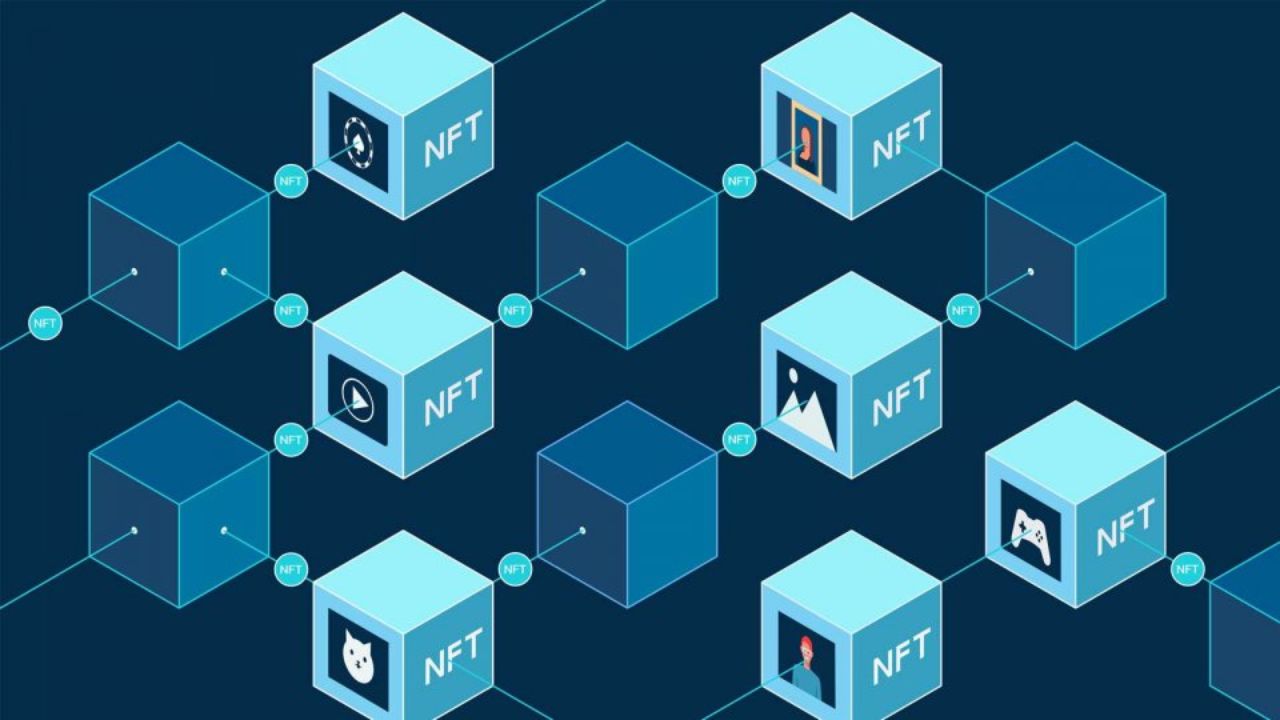
At its core, blockchain is a distributed ledger technology (DLT) that allows multiple parties to record transactions or data entries in a secure, tamper-proof, and verifiable manner. Each entry-known as a block-is cryptographically linked to the previous one, forming an immutable chain. This decentralized architecture eliminates the need for central authorities or intermediaries, making trust a function of code and consensus.
For information systems, blockchain offers a new model of data integrity, auditability, and distributed trust-particularly in environments where multiple stakeholders interact.
Trust Mechanisms
Traditional information systems often rely on centralized control, meaning a single authority is responsible for access, validation, and data accuracy. Blockchain decentralizes that trust by embedding it into the system design itself.
Key trust-enabling features of blockchain:
| Mechanism | Role in Trust |
|---|---|
| Decentralization | No single point of control or failure |
| Immutability | Data cannot be altered once recorded |
| Consensus algorithms | Ensure agreement on valid entries (e.g., PoW, PoS) |
| Transparency | All participants can verify records |
| Cryptographic security | Ensures data authenticity and access control |

These mechanisms make blockchain particularly attractive in multi-party systems where mutual distrust or data integrity concerns exist.
Use-Case Evaluation
Blockchain isn’t suitable for every system or organization. To evaluate its fit, consider areas where trust, auditability, or decentralization are core requirements.
1. Supply Chain Management
Blockchain enables end-to-end visibility and traceability in global supply chains. Every transaction-from production to delivery-is recorded immutably.

Example:
A retail brand can track ethically sourced materials through blockchain entries at each production stage.
Benefits:
- Transparent audit trails
- Real-time status updates
- Fraud and counterfeiting prevention
2. Digital Identity Verification
In traditional systems, identity validation depends on centralized databases that can be hacked or manipulated. Blockchain allows for self-sovereign identity, where users control their own credentials.
Example:
Governments using blockchain to issue tamper-proof digital IDs, passports, or driver’s licenses.
Benefits:
- Enhanced privacy and security
- Interoperable across systems
- Reduces identity fraud
3. Healthcare Record Management
Patient data stored in disparate systems can lead to delays and data breaches. Blockchain ensures secure, unified access to medical records.
Example:
A patient’s records are stored on a private blockchain, accessible only to authorized providers.
Benefits:
- Consent-driven access control
- Full audit trail of who accessed what
- Reduces duplication and error
4. Smart Contracts in Finance
Blockchain enables programmable contracts that automatically execute when conditions are met.
Example:
Insurance claims paid out automatically when verified conditions (e.g., flight delay) are confirmed.
Benefits:
- Reduces manual processing
- Increases efficiency and trust
- Minimizes disputes
5. Academic Credentialing
Academic records are often fragmented and difficult to verify. Blockchain ensures authenticity and accessibility.
Example:
Universities issue degrees on blockchain; employers can verify instantly.
Benefits:
- No need for manual verification
- Reduces credential fraud
- Global recognition and portability
Evaluation Criteria
When evaluating blockchain for an information system, consider:
| Criteria | Questions to Ask |
|---|---|
| Trust issues | Do users mistrust intermediaries or data? |
| Data integrity needs | Is tamper-proof recordkeeping essential? |
| Transaction volume | Can blockchain handle the system’s scale? |
| Real-time requirements | Are speed and latency critical? |
| Regulatory compliance | Are there legal or privacy constraints? |
| Cost-benefit ratio | Does blockchain justify implementation cost? |
Blockchain is powerful, but also complex and resource-intensive. It’s most effective where decentralization adds unique value.
Limitations
While promising, blockchain has its share of limitations:
- Scalability – Public blockchains may not handle high throughput
- Energy consumption – Proof-of-Work systems are resource-intensive
- Privacy concerns – Transparent ledgers may expose sensitive data
- Integration complexity – Merging with legacy systems can be challenging
- Regulatory uncertainty – Legal frameworks are still evolving
Organizations must weigh these against the benefits before adoption.
Future Outlook
Blockchain continues to evolve, with trends like:
- Enterprise blockchains (e.g., Hyperledger, Quorum) for private networks
- Layer 2 solutions to improve scalability
- Zero-knowledge proofs for enhanced privacy
- Interoperability protocols connecting different blockchains
In the context of information systems, blockchain is moving from experimental to operational in areas where transparency and security are non-negotiable.
FAQs
What is blockchain in information systems?
It’s a decentralized ledger that ensures data integrity and trust.
How does blockchain build trust?
Through immutability, decentralization, and consensus mechanisms.
Is blockchain good for every system?
No, it’s best for systems needing transparency and multi-party trust.
What are smart contracts?
Automated agreements that execute actions when conditions are met.
Which industries use blockchain?
Finance, healthcare, supply chain, education, and government.