
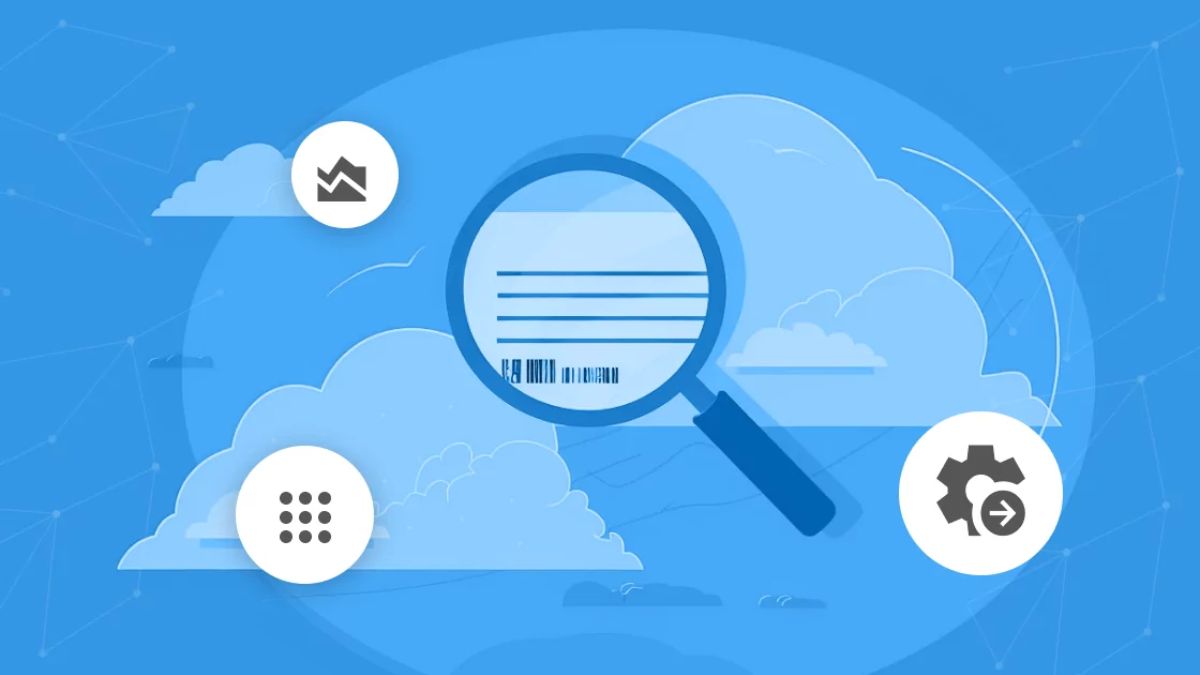
Information systems now support nearly every core business function, from financial reporting to supply chain management and customer data processing. As digital reliance increases, the role of information systems auditing has expanded. Auditors are no longer focused solely on financial controls. They assess cybersecurity, data integrity, system reliability, and regulatory compliance.
In today’s environment, information systems auditing requires technical expertise, risk awareness, and structured methodologies. Knowing current challenges, available tools, and best practices helps organizations strengthen governance and protect digital assets.
Role
Information systems auditing evaluates the controls, security, and performance of IT infrastructure. The objective is to ensure that systems operate effectively, protect data, and comply with legal and regulatory standards.
Auditors review access controls, change management processes, backup procedures, and cybersecurity measures. They also assess whether information systems support organizational objectives without introducing unnecessary risk.
Challenges
Modern information systems present complex challenges. Rapid technological advancement often outpaces control frameworks. Cloud computing, remote work environments, and interconnected systems increase exposure to vulnerabilities.

Common challenges include:
| Challenge | Impact on Auditing |
|---|---|
| Cybersecurity Threats | Increased risk of data breaches |
| Cloud Migration | Shared control environments |
| Regulatory Complexity | Multiple compliance requirements |
| Big Data Expansion | Difficult data validation |
| Remote Access | Access control monitoring issues |
These challenges require auditors to adapt methodologies and continuously update skills.
Cybersecurity
Cybersecurity remains a central focus in information systems auditing. Threats such as ransomware, phishing attacks, and insider misuse can disrupt operations and compromise sensitive data.

Auditors examine firewall configurations, intrusion detection systems, encryption protocols, and incident response plans. They also assess whether organizations conduct regular vulnerability assessments and penetration testing.
Compliance
Regulatory requirements continue to expand across industries. Data protection regulations, financial reporting standards, and sector-specific mandates influence auditing scope.
Auditors verify that systems comply with relevant laws and that documentation supports compliance claims. Non-compliance may lead to financial penalties, reputational damage, and operational disruption.
Tools
Technology plays an important role in modern auditing. Automated tools assist in analyzing large datasets, monitoring system logs, and detecting anomalies.
Common tools and techniques include data analytics software, continuous auditing platforms, risk assessment applications, and security information and event management systems.
These tools enhance efficiency and improve accuracy by identifying patterns that may not be visible through manual review.
Risk
Risk-based auditing has become a standard approach. Rather than reviewing every control equally, auditors prioritize areas with higher exposure.
Risk assessment frameworks evaluate the likelihood and impact of potential system failures or breaches. This structured approach ensures that audit resources are allocated effectively.
Governance
Strong IT governance supports effective auditing. Governance frameworks such as COBIT or ISO standards provide structured guidelines for managing information systems.
Auditors assess whether governance policies define clear roles, responsibilities, and accountability. Clear governance structures reduce ambiguity and improve oversight.
Best Practices
Organizations can strengthen information systems auditing by adopting several best practices:
- Conduct regular risk assessments
- Maintain updated documentation of IT controls
- Implement segregation of duties
- Use automated monitoring tools
- Provide continuous training for audit teams
- Test disaster recovery and business continuity plans
These practices enhance system reliability and reduce exposure to emerging threats.
Skills
Modern auditors require interdisciplinary skills. In addition to accounting knowledge, they must understand cybersecurity, network architecture, data analytics, and regulatory frameworks.
Ongoing professional development ensures that audit teams remain capable of addressing evolving technological environments.
Information systems auditing today extends beyond traditional control verification. It addresses cybersecurity risks, regulatory compliance, digital governance, and data integrity. As technology continues to evolve, auditors must adapt tools and methodologies accordingly.
By combining risk-based approaches, advanced auditing technologies, and strong governance frameworks, organizations can strengthen oversight and maintain secure, reliable information systems.
FAQs
What is information systems auditing?
It evaluates IT controls and security.
Why is cybersecurity central to audits?
It protects systems from breaches.
What is risk-based auditing?
It prioritizes high-risk areas.
Are automated tools used in auditing?
Yes, for data analysis and monitoring.
Why is IT governance important?
It ensures accountability and control.