
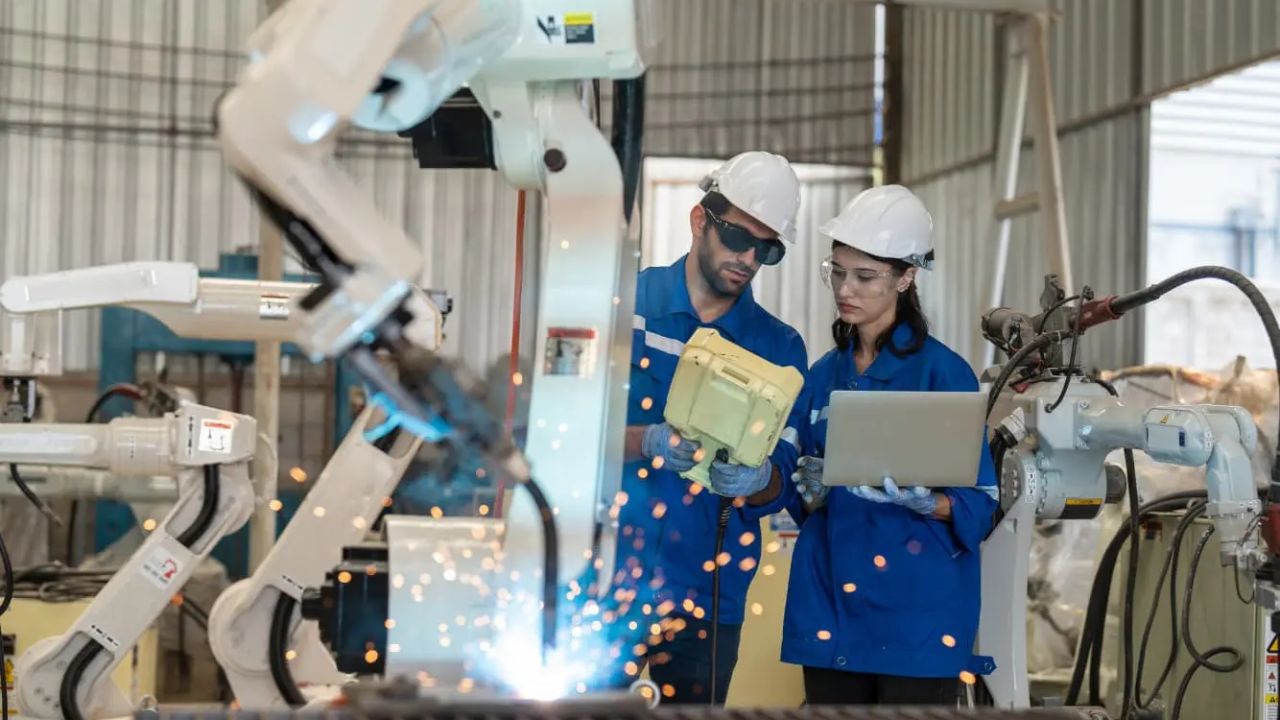
Industry 5.0 represents the next phase of industrial transformation. While Industry 4.0 emphasized automation, data exchange, and interconnected systems, the new model expands the focus to human-machine collaboration, sustainability, and resilience. Institutions across sectors – including education, manufacturing, healthcare, and public administration – are evaluating how prepared they are for this transition.
Institutional readiness for Industry 5.0 integration goes beyond acquiring advanced technologies. It involves infrastructure development, workforce capability, leadership alignment, and long-term strategic planning. The transition requires a balanced approach where digital innovation supports human expertise rather than replacing it.
Evolution

Industry 4.0 introduced smart factories, artificial intelligence, robotics, and the Internet of Things. Industry 5.0 builds upon these foundations while re-centering human involvement. The emphasis shifts from pure efficiency to personalization, ethical technology use, and sustainable growth.
A structured comparison clarifies the distinction:
| Feature | Industry 4.0 | Industry 5.0 |
|---|---|---|
| Focus | Automation | Human-machine collaboration |
| Objective | Operational efficiency | Personalization and sustainability |
| Workforce Role | Limited human intervention | Enhanced human participation |
| Core Technologies | AI, IoT, Robotics | Collaborative AI, Cobots |
Understanding this evolution is essential before implementing integration strategies.
Infrastructure

Infrastructure remains the foundation of institutional readiness. Industry 5.0 relies on interconnected systems that demand strong digital capabilities.
Institutions must ensure:
- Reliable high-speed connectivity
- Scalable cloud computing solutions
- Robust cybersecurity systems
- Efficient data governance frameworks
Without these components, advanced collaboration between humans and intelligent machines cannot function effectively. Cybersecurity, in particular, becomes increasingly critical as interconnected systems expand operational exposure. Regular system audits and compliance measures are necessary to mitigate risks.
Skills

Workforce preparedness is equally significant. Industry 5.0 does not eliminate human roles; it redefines them.
Employees require a combination of technical knowledge and adaptive competencies. Institutions should prioritize structured training programs and curriculum updates to align with emerging requirements.
Key competencies include:
| Skill Category | Examples |
|---|---|
| Technical | Data analytics, AI literacy |
| Analytical | Critical thinking, problem-solving |
| Interpersonal | Communication, collaboration |
| Creative | Innovation, design application |
Continuous learning models – including reskilling and upskilling initiatives – support long-term adaptability.
Leadership
Leadership readiness plays a decisive role in successful integration. Institutional leaders must articulate a clear vision that integrates technology adoption with human development and ethical responsibility.
Transparent communication channels and data-informed decision-making processes support this transition. Leaders are expected to coordinate multidisciplinary teams, ensuring alignment between technological investments and organizational goals.
Strategic oversight also includes monitoring regulatory compliance, sustainability benchmarks, and workforce well-being indicators.
Culture
Institutional culture influences how effectively new systems are adopted. Technological upgrades alone do not guarantee operational transformation. Employee engagement and trust are necessary to support change initiatives.
A culture aligned with Industry 5.0 principles typically encourages:
- Cross-functional collaboration
- Knowledge sharing
- Ethical innovation
- Inclusive participation
When institutions create an environment that values both digital efficiency and human contribution, integration becomes more sustainable.
Sustainability
Sustainability is a defining feature of Industry 5.0. Environmental responsibility and social accountability are integrated into operational strategies rather than treated as secondary considerations.
Institutions can align with sustainability objectives through:
| Area | Institutional Action |
|---|---|
| Energy | Adoption of renewable sources |
| Operations | Waste reduction through smart monitoring |
| Workforce | Employee well-being programs |
| Governance | Ethical AI and transparent reporting |
Sustainability metrics increasingly influence investor confidence, regulatory compliance, and public trust. Therefore, readiness assessments must include environmental and social performance indicators.
Strategy
Strategic planning provides direction for integration. Institutions should adopt a phased implementation model supported by measurable benchmarks.
A structured roadmap may include:
- Digital maturity assessment
- Technology gap analysis
- Budget allocation and investment planning
- Workforce transformation framework
- Risk and compliance management plan
Pilot initiatives allow institutions to evaluate operational impact before large-scale deployment. Collaboration with technology partners, academic institutions, and policy bodies further strengthens institutional preparedness.
Challenges
Despite clear opportunities, several challenges remain. High implementation costs, data privacy concerns, regulatory variations, and workforce resistance can slow progress. Institutions must address these factors through careful planning and stakeholder engagement.
Readiness for Industry 5.0 is not a one-time milestone. It requires continuous evaluation, adaptation, and alignment with technological and societal developments. Institutions that approach integration with structured planning, balanced leadership, and sustainable principles are better positioned to navigate the evolving industrial landscape.
Industry 5.0 does not replace human contribution; it integrates advanced technology with human expertise to create more resilient and responsible systems. Institutional readiness therefore depends on coordinated efforts across infrastructure, workforce capability, leadership strategy, and sustainability planning.
FAQs
What is Industry 5.0 integration?
It combines human expertise with smart technology.
Why is institutional readiness important?
It ensures structured and secure adoption.
What skills are required?
AI literacy, analysis, collaboration.
Is sustainability part of Industry 5.0?
Yes, it is a core principle.
How can institutions begin preparation?
Start with audits and phased planning.