
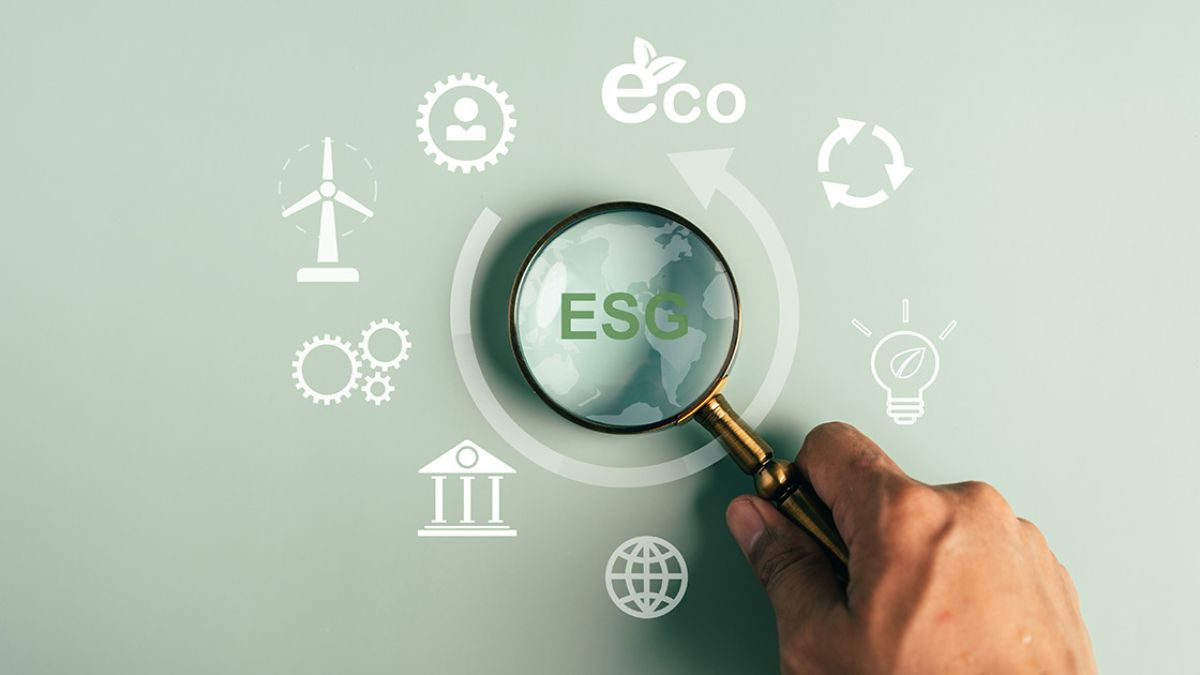
Organizations today rely heavily on digital infrastructure, cloud platforms, data systems, and automation tools. As technology investments grow, so does the need for structured oversight. Sustainable IT governance models provide a framework to ensure that technology decisions align with long-term business goals, environmental responsibilities, and regulatory expectations.
Sustainable IT governance is not only about managing IT performance. It integrates financial discipline, environmental awareness, risk management, and stakeholder accountability into technology leadership. Institutions that adopt sustainable governance models are better positioned to manage costs, reduce environmental impact, and strengthen operational resilience.
Framework
IT governance refers to the structures and processes that guide how technology resources are directed and controlled. A sustainable model extends beyond operational efficiency to include environmental, social, and economic considerations.
Traditional governance models often focused on performance metrics and compliance standards. Sustainable governance incorporates additional elements such as energy efficiency, lifecycle management, and ethical data practices.
A comparison highlights the shift:
| Aspect | Traditional IT Governance | Sustainable IT Governance |
|---|---|---|
| Focus | Performance and control | Long-term value and responsibility |
| Metrics | Cost, uptime | Cost, sustainability, risk |
| Resource Use | Operational efficiency | Efficient and environmentally responsible |
| Stakeholders | Internal leadership | Broader stakeholder engagement |

This broader scope ensures technology decisions contribute to long-term organizational stability.
Strategy
A sustainable IT governance model begins with strategic alignment. Technology investments must support organizational objectives while considering long-term environmental and regulatory factors.
Key strategic components include:
- Alignment with corporate sustainability goals
- Integration with enterprise risk management
- Clear accountability structures
- Transparent reporting mechanisms

Boards and executive committees play a critical role in setting expectations and monitoring performance. Without leadership oversight, governance frameworks may remain procedural rather than transformative.
Environmental
Environmental sustainability is increasingly integrated into IT governance. Data centers, cloud services, and hardware production contribute significantly to energy consumption and carbon emissions.
Governance models can incorporate environmental benchmarks such as:
| Area | Governance Action |
|---|---|
| Energy Use | Monitor power efficiency metrics |
| Hardware | Implement lifecycle management |
| Cloud Services | Select providers with renewable commitments |
| Disposal | Enforce responsible e-waste policies |
By measuring and reporting environmental indicators, organizations can reduce long-term operational costs and environmental risk exposure.
Financial
Financial sustainability remains central to IT governance. Cloud subscriptions, cybersecurity investments, and digital transformation initiatives require structured budget oversight.
Sustainable governance emphasizes cost transparency and lifecycle cost analysis. Instead of evaluating only upfront expenses, organizations assess long-term maintenance, upgrade cycles, and decommissioning costs.
Financial oversight mechanisms may include:
- Multi-year IT budgeting frameworks
- Performance-based investment evaluation
- Continuous cost optimization reviews
These measures support balanced decision-making between innovation and fiscal responsibility.
Risk
Technology-related risks continue to evolve. Cybersecurity threats, data privacy regulations, and vendor dependencies present ongoing challenges.
Sustainable IT governance integrates risk assessment into decision-making processes. This includes regular audits, compliance tracking, and third-party risk evaluation.
Key risk areas include:
| Risk Type | Governance Response |
|---|---|
| Cybersecurity | Continuous monitoring and testing |
| Compliance | Regulatory alignment and documentation |
| Vendor Lock-In | Diversified provider strategy |
| Data Privacy | Strict access and encryption policies |
Proactive governance reduces long-term exposure to operational disruptions and reputational damage.
People
Sustainability also involves workforce development. IT governance models should address skills management, ethical technology use, and organizational culture.
Training programs ensure employees understand compliance requirements and sustainability objectives. Clear communication channels strengthen accountability and encourage responsible technology usage.
Leadership transparency fosters trust and supports long-term governance effectiveness.
Technology
Technology selection plays a central role in sustainable governance. Choosing scalable, interoperable, and energy-efficient systems reduces technical debt and operational inefficiencies.
Lifecycle planning is particularly important. Governance frameworks should define procedures for system upgrades, vendor evaluation, and decommissioning outdated infrastructure.
Standardization across departments improves integration and reduces redundancy, contributing to overall sustainability.
Metrics
Measurement ensures governance models remain effective over time. Sustainable IT governance incorporates key performance indicators that track both operational and environmental outcomes.
Common metrics include:
- System uptime and performance reliability
- Energy consumption rates
- Carbon footprint reporting
- Compliance audit results
- Cost efficiency ratios
Regular reporting enables leadership to adjust strategies and maintain alignment with long-term objectives.
Outlook
Sustainable IT governance models represent an evolution in how organizations manage digital infrastructure. They extend beyond performance monitoring to include environmental responsibility, financial prudence, risk mitigation, and stakeholder transparency.
As digital transformation continues, governance frameworks must adapt to emerging technologies such as artificial intelligence, blockchain, and advanced analytics. Long-term sustainability depends on integrating these innovations within structured oversight systems.
Sustainable IT governance is ultimately about balance. It aligns technology advancement with accountability, ensuring that digital growth supports economic stability, environmental responsibility, and organizational resilience. Institutions that adopt structured, transparent, and forward-looking governance models are better prepared to manage the complex demands of the digital economy.
FAQs
What is sustainable IT governance?
It aligns IT with long-term responsibility goals.
Why include environmental metrics?
To reduce energy and carbon impact.
How does it manage risk?
Through audits and compliance controls.
Does it reduce long-term costs?
Yes, via lifecycle cost planning.
Who oversees IT governance?
Executives and board committees.