Responsible Analytics in Data-Driven Organizations – Balancing Insight with Accountability

Analytics

Data has become one of the most valuable assets in modern organizations. From strategic forecasting to customer personalization, analytics drives decision-making at every level. However, as reliance on data increases, so does the responsibility to manage it ethically and transparently. Responsible analytics ensures that data-driven insights support sustainable growth without compromising privacy, fairness, or regulatory … Read more
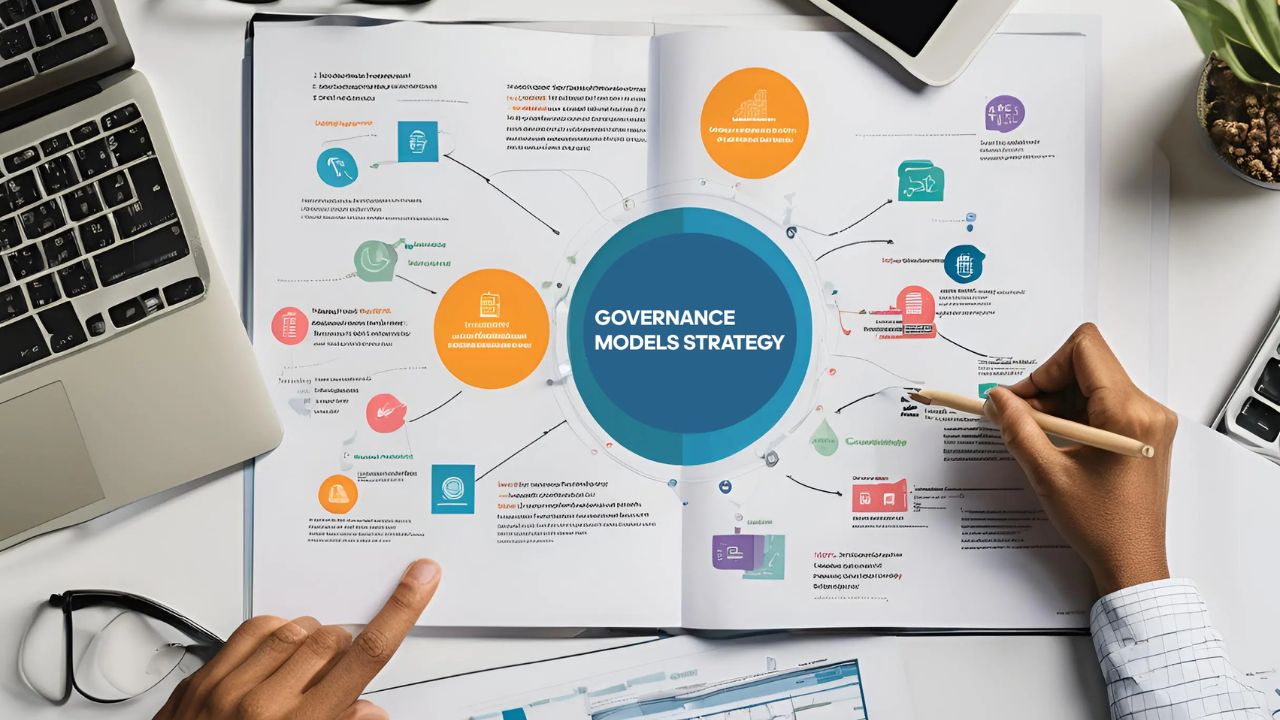

Sustainable IT Governance Models for Long-Term Success

IT Governance

Technology drives modern enterprises, but without structured oversight, digital growth can quickly become fragmented and risky. Sustainable IT governance models provide the framework needed to align technology investments with long-term business objectives. As organizations expand cloud adoption, automation, and data analytics capabilities, governance must evolve to ensure resilience, accountability, and strategic value creation. Sustainability in … Read more

Visibility and Influence in Global Research Communities – Expanding Academic Reach

Communities

In an increasingly interconnected academic environment, visibility and influence are critical measures of research impact. Scholars and institutions no longer operate within isolated national systems. Digital publishing platforms, international conferences, and collaborative networks have reshaped how research is disseminated and evaluated. As a result, global research communities are defined not only by knowledge creation but … Read more

Future of Risk Based Auditing in Information Systems – Adapting to Digital Complexity

Digital Complexity

Risk-based auditing in information systems has evolved significantly over the past decade. As organizations expand their digital infrastructure, traditional audit methods are no longer sufficient to address emerging vulnerabilities. The growing complexity of cloud environments, artificial intelligence applications, and interconnected systems demands a more adaptive and forward-looking audit approach. The future of risk-based auditing in … Read more

Building Resilient Cybersecurity Cultures – Strengthening Organizational Defense from Within

Building Resilient Cybersecurity

Cybersecurity is no longer confined to firewalls and encryption protocols. While technical safeguards remain essential, organizations increasingly recognize that long-term security depends on culture. A resilient cybersecurity culture embeds awareness, accountability, and adaptive thinking into everyday operations. It ensures that security is not treated as an isolated IT responsibility but as a shared organizational value. … Read more

Cyber Risk Reporting Standards – Advancing Enterprise Transparency

Cyber Risk

Cybersecurity has become a central concern for enterprises across sectors. As digital infrastructure expands and threat landscapes evolve, stakeholders increasingly demand greater visibility into cyber risk exposure. In response, updated cyber risk reporting standards are reshaping how organizations disclose, assess, and manage cybersecurity threats. These revisions aim to strengthen enterprise transparency while aligning reporting practices … Read more

ATISR Publishes Framework – Advancing Ethical AI Governance Standards

ATISR

Artificial intelligence continues to reshape industries, public services, and research ecosystems. As adoption accelerates, questions around accountability, transparency, and ethical oversight have become increasingly urgent. In response to these challenges, ATISR has published a structured framework focused on ethical AI governance. The initiative aims to guide institutions, policymakers, and technology leaders in implementing responsible artificial … Read more

Digital Agility – Core Competency in IS Leadership Programs

Digital Agility

Digital transformation is no longer a peripheral initiative within organizations. It has become central to strategic planning, operational efficiency, and competitive positioning. In this environment, Information Systems (IS) leadership programs are redefining their priorities. One of the most significant shifts is the elevation of digital agility as a core competency. Digital agility refers to the … Read more

Audit Automation – Implications for Modern Risk Assessment

Audit

Audit functions are evolving rapidly as organizations adopt digital tools and data-driven systems. Automation is no longer limited to basic accounting processes. It now plays a central role in how auditors identify, assess, and monitor risk. As regulatory requirements become more complex and transaction volumes increase, automated audit technologies are reshaping modern risk assessment frameworks. … Read more

Cross Border Knowledge Networks – Growth Through ATISR Collaboration

ATISR

International collaboration has become a defining feature of modern research and innovation. As industries evolve and academic disciplines intersect, knowledge networks increasingly extend beyond national boundaries. One notable example is the expansion of cross-border knowledge networks through ATISR collaboration. By facilitating partnerships among researchers, institutions, and industry stakeholders, ATISR has contributed to broader information exchange … Read more