
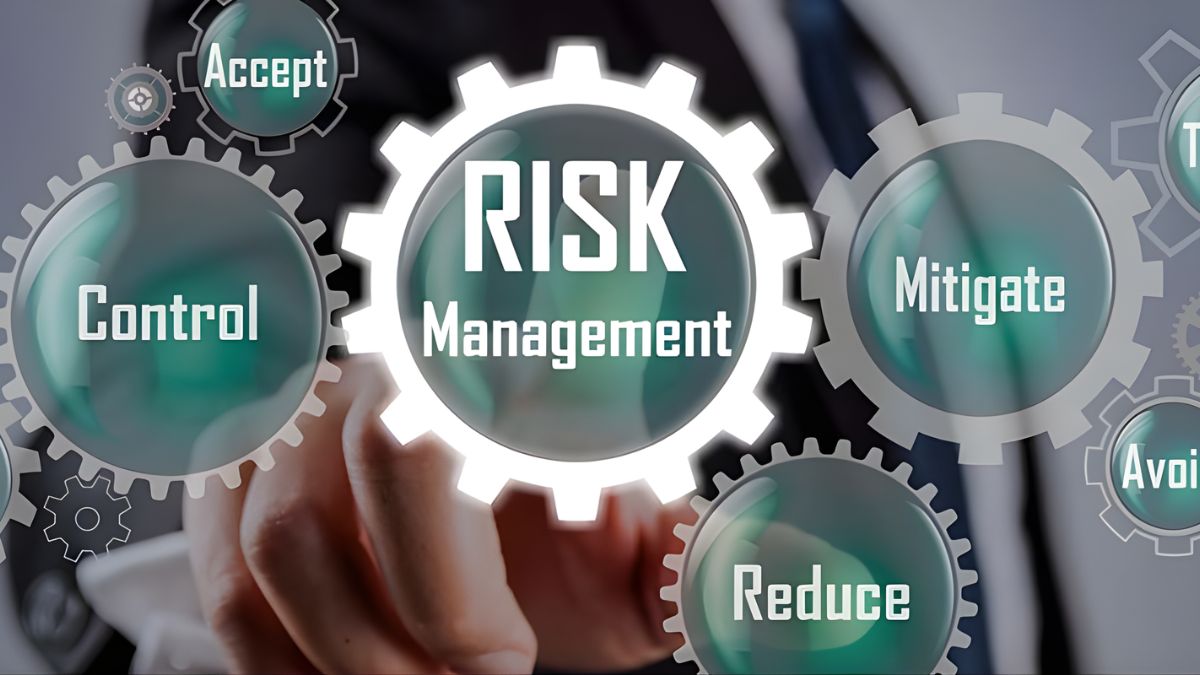
Digital transformation initiatives promise operational efficiency, improved customer experience, and competitive advantage. However, as organizations adopt cloud computing, artificial intelligence, automation, and data analytics, they also introduce new layers of operational, regulatory, and cybersecurity risk. Integrating structured risk assessment into digital transformation is essential to ensure sustainable and secure implementation.
Risk assessment should not be treated as a separate compliance function. Instead, it must be embedded within strategic planning, technology deployment, and ongoing governance processes.
Context

Digital transformation involves redesigning processes, systems, and business models using digital technologies. This shift often affects core infrastructure, customer data, and organizational workflows.
Without early risk identification, digital projects may experience delays, cost overruns, compliance failures, or reputational harm. A proactive risk framework helps organizations anticipate vulnerabilities before they escalate.
Key areas influenced by digital transformation include:
- Data governance
- Cybersecurity posture
- Regulatory compliance
- Vendor ecosystems
- Operational continuity

Knowing these interconnected elements is central to effective risk integration.
Framework
A structured risk assessment framework typically follows defined stages:
| Stage | Objective |
|---|---|
| Risk Identification | Detect potential vulnerabilities |
| Risk Analysis | Evaluate likelihood and impact |
| Risk Prioritization | Rank risks based on severity |
| Mitigation Planning | Develop controls and response strategies |
| Continuous Monitoring | Track evolving risk landscape |
Embedding this framework within transformation roadmaps ensures risk visibility throughout project lifecycles.
Cybersecurity

Cybersecurity remains one of the most significant risk categories in digital transformation. Migration to cloud environments, expansion of remote work, and integration of third-party platforms increase attack surfaces.
Common cybersecurity risks include:
- Data breaches
- Ransomware attacks
- Insider threats
- API vulnerabilities
- Weak identity management
Integrating cybersecurity risk assessment early in system design reduces exposure and aligns with regulatory expectations.
Compliance
Digital initiatives often involve cross-border data processing, automated decision-making, and third-party integrations. These activities may trigger regulatory requirements related to privacy, financial reporting, or sector-specific oversight.
Compliance-related risks include:
| Compliance Area | Potential Risk |
|---|---|
| Data Protection Laws | Unauthorized data processing |
| Industry Regulations | Non-compliant system configurations |
| AI Governance | Lack of explainability or bias monitoring |
| Cross-Border Data | Violations of localization requirements |
Legal and compliance teams should participate in digital transformation planning to align system design with applicable regulations.
Vendor Risk
Digital transformation often relies on external technology vendors, cloud providers, and software platforms. Third-party risk management is therefore critical.
Vendor-related risks may involve:
- Service disruptions
- Data security weaknesses
- Contractual compliance gaps
- Inadequate incident response procedures
Organizations should conduct due diligence assessments, review contractual safeguards, and establish ongoing vendor monitoring protocols.
Operational
Operational continuity is another key consideration. Technology migrations, system upgrades, and automation projects may disrupt existing workflows.
Risk assessment should evaluate:
- Business continuity planning
- Backup and recovery procedures
- Change management strategies
- Employee training requirements
The following table outlines operational risk integration steps:
| Operational Focus | Risk Mitigation Approach |
|---|---|
| System Migration | Phased rollout with testing |
| Process Automation | Parallel manual controls during transition |
| Staff Adaptation | Structured training programs |
| Data Migration | Validation and integrity checks |
Structured planning reduces operational disruption.
Governance
Effective integration of risk assessment requires governance alignment. Executive leadership must define accountability for digital risk oversight.
Governance components include:
- Risk committees or digital oversight boards
- Defined reporting mechanisms
- Performance metrics linked to risk tolerance
- Escalation procedures for critical incidents
Risk ownership should be clearly assigned to both technical and business leaders to prevent accountability gaps.
Culture
Risk-aware culture supports successful digital transformation. Employees should understand that innovation and risk management are complementary rather than conflicting objectives.
Encouraging open reporting of potential vulnerabilities, investing in cybersecurity awareness training, and aligning incentives with secure practices strengthen organizational resilience.
Cultural integration ensures that risk considerations are embedded in day-to-day decision-making rather than limited to formal audits.
Continuous Review
Digital environments evolve rapidly. New technologies, regulatory changes, and emerging cyber threats require ongoing reassessment.
Continuous monitoring includes:
- Automated security controls
- Regular compliance audits
- Periodic risk reassessments
- Incident response testing
Static risk models are insufficient for dynamic digital ecosystems.
Integrating risk assessment into digital transformation strengthens organizational resilience and protects long-term value creation. By embedding structured risk identification, compliance alignment, cybersecurity safeguards, vendor oversight, and governance mechanisms into transformation initiatives, organizations can reduce exposure to operational and regulatory disruptions.
Digital transformation and risk management should operate in parallel. When risk assessment is incorporated early and maintained continuously, organizations can pursue innovation confidently while safeguarding data, reputation, and strategic objectives.
FAQs
Why integrate risk assessment in digital transformation?
To prevent security and compliance failures.
What is vendor risk in digital projects?
Risks linked to third-party providers.
Does cybersecurity play a major role?
Yes, it protects digital infrastructure.
Is risk assessment a one-time process?
No, it requires continuous monitoring.
Who oversees digital risk governance?
Executive leadership and risk committees.