
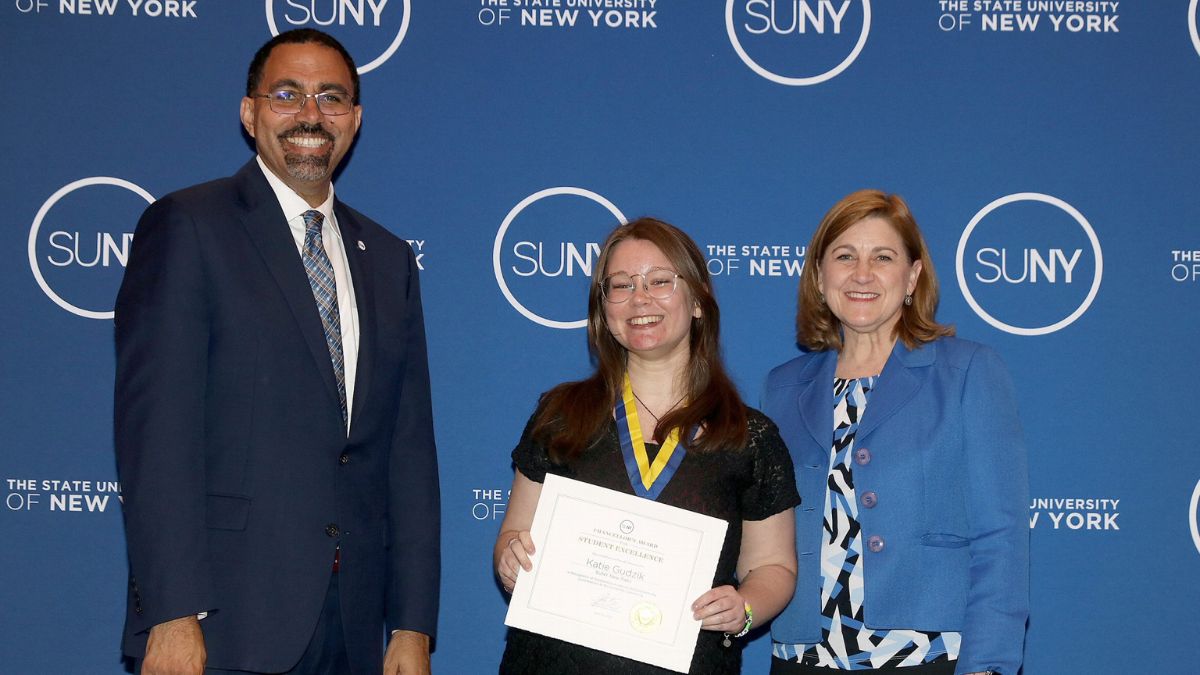
Recognition plays an important role in academic and professional development. While research output and leadership often speak for themselves, structured acknowledgment strengthens motivation and visibility. The ATISR Awards Program is designed to highlight innovation, academic excellence, and scholarly leadership across disciplines.
By formally recognizing contributions in research, education, and professional practice, the program supports a culture of quality and continuous improvement. Awards not only celebrate achievement but also encourage higher standards within the academic community.
Purpose

The primary purpose of the ATISR Awards Program is to acknowledge individuals and institutions that demonstrate outstanding commitment to research and innovation. Recognition provides validation for years of effort and encourages recipients to continue contributing at a high level.
Awards also serve a broader purpose. They create benchmarks of excellence that guide emerging researchers and professionals. When achievements are publicly recognized, they set standards for others to follow.
Categories
The program typically includes multiple award categories to reflect diverse contributions within academia and research. These categories may focus on innovation, leadership, teaching excellence, and community engagement.

Below is a simplified example of how award categories may be structured:
| Category | Focus Area | Beneficiaries |
|---|---|---|
| Research Excellence | High-impact scholarly work | Academics, researchers |
| Innovation Leadership | Applied or technical advances | Professionals, innovators |
| Teaching Achievement | Educational contribution | Educators |
| Emerging Scholar | Early-career performance | Young researchers |
This structured approach ensures that achievements across different stages of academic careers are recognized.
Criteria
Transparent evaluation criteria are essential for credibility. Awards are generally based on measurable achievements such as publications, citations, leadership roles, research impact, and contributions to professional development.

A structured review process, often involving peer evaluation or committee assessment, supports fairness and consistency. Clear criteria strengthen trust in the program and reinforce its academic integrity.
Impact
Recognition can influence both individual and institutional development. For individuals, awards enhance professional visibility and may contribute to career advancement. Academic recognition can support funding opportunities, partnerships, and invitations to collaborative projects.
For institutions, award recipients contribute to reputation and academic standing. When faculty members or researchers receive recognition, the institution’s profile within the scholarly community is strengthened.
Motivation
Awards function as motivational tools. While intrinsic motivation drives research and teaching, external recognition reinforces commitment. Structured acknowledgment validates effort and highlights the value of sustained scholarly work.
For early-career professionals, recognition may encourage continued engagement in research activities. For experienced scholars, it reinforces leadership roles and mentorship responsibilities.
Leadership
Scholarly leadership extends beyond publishing research. It includes mentoring students, guiding research teams, and contributing to professional networks.
The ATISR Awards Program emphasizes leadership qualities alongside academic achievement. Recognizing leadership fosters a collaborative environment where knowledge exchange and mentorship are valued components of scholarly life.
Visibility
Public recognition increases visibility within academic and professional communities. Award announcements, certificates, and formal acknowledgments create documented achievements that can be referenced in professional portfolios.
Increased visibility benefits recipients by strengthening credibility. It also promotes the organization’s broader mission of advancing research and innovation.
Standards
Awards programs contribute to maintaining high standards. By clearly defining excellence, they encourage participants to meet or exceed established benchmarks.
Consistent evaluation and recognition help sustain quality across research initiatives and professional practices. Standards supported by recognition programs contribute to long-term academic growth.
Community
Recognition fosters a sense of belonging within the scholarly community. Award recipients often become ambassadors of best practices, inspiring peers and emerging professionals.
Community recognition reinforces collaboration and shared purpose. It encourages professionals to contribute not only individually but collectively toward advancing knowledge.
The ATISR Awards Program represents more than ceremonial acknowledgment. It serves as a structured mechanism for encouraging innovation, scholarly leadership, and professional excellence.
Through transparent criteria and diverse categories, the program strengthens academic standards and promotes sustained contribution. Recognition, when aligned with integrity and clear benchmarks, supports both individual advancement and the broader academic community.
FAQs
What is the ATISR Awards Program?
It recognizes academic and research excellence.
Who can receive the awards?
Researchers, educators, and innovators.
How are recipients selected?
Through structured evaluation criteria.
Why are academic awards important?
They enhance visibility and motivation.
Do awards support career growth?
Yes, they strengthen professional profiles.