
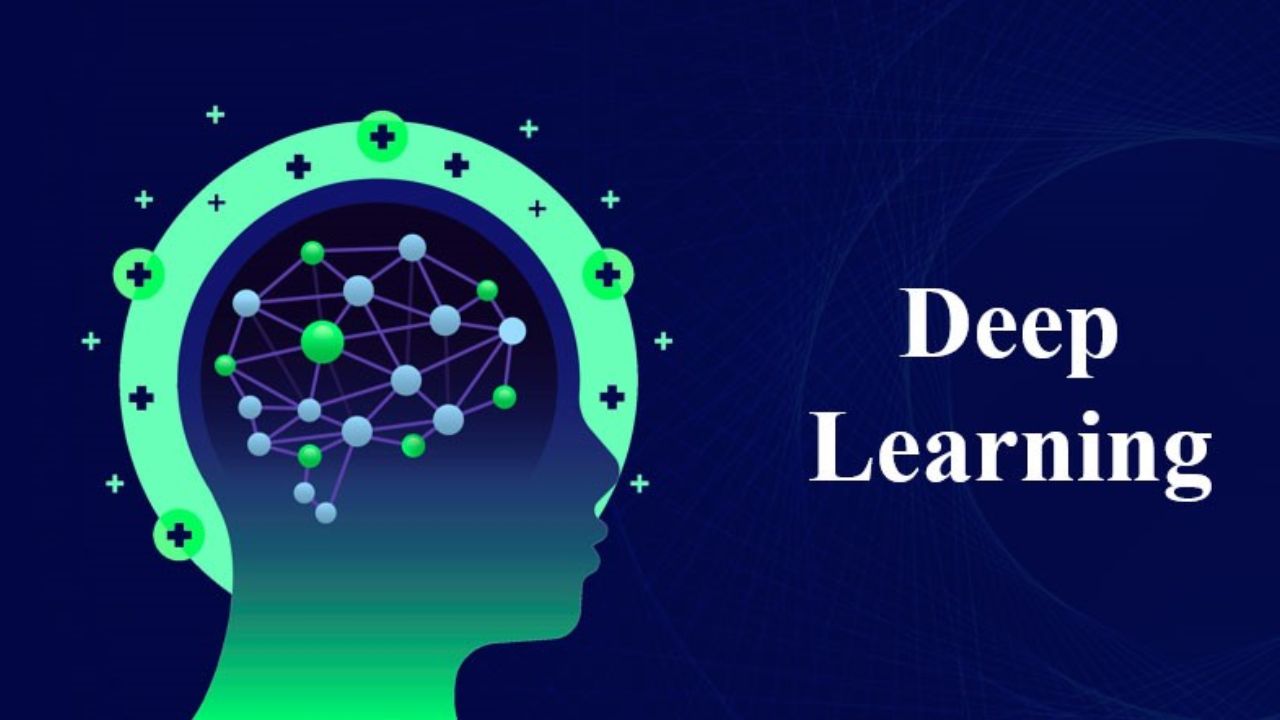
Machine learning (ML) has become an integral part of modern Information Systems (IS), transforming the way data is analyzed, decisions are made, and business processes are automated. From customer behavior prediction to process optimization, ML offers significant advantages – but also introduces new concerns, especially around bias, transparency, and ethical use.
This article looks into how machine learning is applied within information systems, its role in prediction and automation, and the critical risks associated with bias in algorithmic decision-making.
Overview
Machine learning enables systems to identify patterns and learn from data without being explicitly programmed. In the IS context, ML models are used to enhance data-driven decision-making, automate complex tasks, and improve system responsiveness in real time.
Key areas of integration include:
- Enterprise Resource Planning (ERP)
- Customer Relationship Management (CRM)
- Business Intelligence (BI)
- Cybersecurity
- Supply Chain and Inventory Systems
The intersection of IS and ML is reshaping both the technical architecture and the strategic function of organizations.
Prediction

Prediction is one of the most valuable applications of ML in IS. Algorithms can process historical and real-time data to forecast outcomes, detect trends, and support proactive decision-making.
Common Prediction Use Cases:
| Application Area | Predictive Use Case |
|---|---|
| Marketing CRM | Customer churn prediction |
| Finance IS | Credit scoring and fraud detection |
| HR Information Systems | Employee attrition forecasting |
| Healthcare IS | Patient readmission or diagnosis risks |
| E-commerce Platforms | Recommendation systems |
Predictive models – such as decision trees, neural networks, and ensemble methods – help organizations respond faster, allocate resources efficiently, and personalize services.
Automation
ML also powers automation within IS, reducing the need for manual intervention in repetitive or rule-based processes. This is especially true in:
- Robotic Process Automation (RPA) augmented with ML
- Chatbots and intelligent virtual assistants
- Real-time anomaly detection in network security
- Dynamic pricing systems in e-commerce
- Smart inventory management

Machine learning enhances traditional automation by allowing systems to adapt to changing conditions, learn from errors, and improve performance over time.
Bias Risks
While ML promises efficiency and insight, it also raises serious risks related to bias and fairness – especially when decisions affect people (e.g., hiring, lending, law enforcement).
Sources of Bias:
- Historical bias in the training data
- Sampling bias due to unrepresentative datasets
- Labeling errors or subjective classifications
- Algorithmic bias from model selection or feature design
- Deployment bias when models are used in inappropriate contexts
Unchecked, these biases can lead to unfair treatment, reinforce inequalities, and damage trust in information systems.
Ethical and Legal Concerns
As ML becomes more embedded in IS, ethical considerations are gaining attention. Organizations are now expected to:
- Ensure transparency in algorithmic decisions
- Conduct regular audits of ML models
- Implement bias mitigation techniques
- Comply with data protection laws (e.g., GDPR, CCPA)
Failing to address these issues can result in legal liabilities, reputational damage, and stakeholder backlash.
Mitigation Strategies
To reduce bias and enhance trust, best practices include:
- Using diverse and balanced datasets
- Applying fairness-aware algorithms
- Incorporating human-in-the-loop decision models
- Monitoring model performance across demographic groups
- Ensuring explainability using techniques like SHAP, LIME, or model distillation
Integration of ethical AI frameworks into IS development lifecycles is essential for responsible machine learning deployment.
Strategic Implications
Organizations leveraging ML in IS must align technology with strategy. This includes:
- Training staff on data ethics and responsible AI
- Developing governance structures for AI oversight
- Investing in explainable AI (XAI) and ethical auditing tools
- Integrating ML into broader digital transformation efforts
Machine learning, when implemented responsibly, can be a competitive differentiator, driving smarter, faster, and more informed business processes.
Machine learning offers powerful opportunities in information systems – enabling advanced prediction, intelligent automation, and strategic insight. Yet these benefits come with real challenges, particularly around fairness, explainability, and trust. By adopting ethical frameworks and risk mitigation strategies, organizations can harness the potential of ML while maintaining integrity and accountability in their systems.
FAQs
How is machine learning used in IS?
It’s used for prediction, automation, decision support, and process optimization.
What are common ML prediction use cases?
Examples include fraud detection, churn prediction, and recommendations.
Why is bias a concern in ML?
Bias can lead to unfair, inaccurate, or discriminatory outcomes.
How can bias be reduced in ML systems?
By using diverse data, auditing models, and applying fairness algorithms.
What legal frameworks govern ML ethics?
Laws like GDPR and CCPA regulate data use, transparency, and fairness.