Sustainability in Digital Infrastructure Planning – Aligning Technology Growth with Environmental Responsibility

Digital Infrastructure

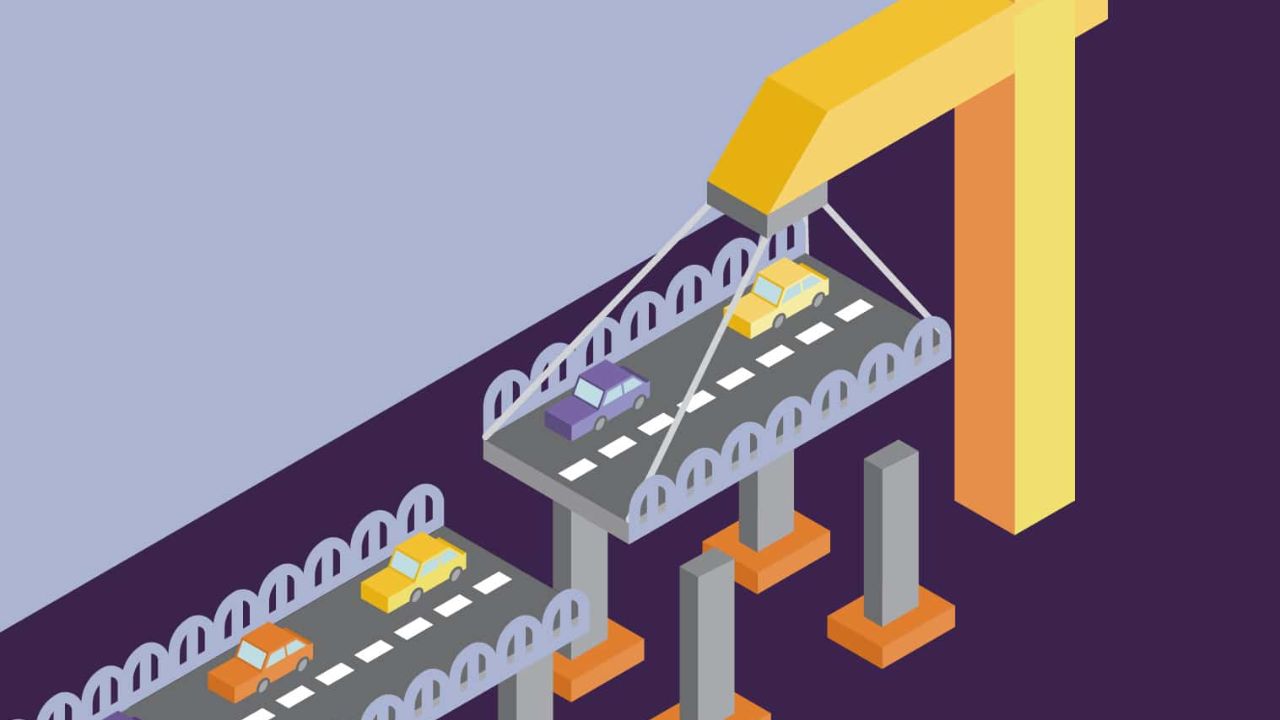
Digital infrastructure underpins modern economies. Data centers, cloud platforms, telecommunications networks, and edge computing systems support financial services, healthcare delivery, education, and public administration. As demand for digital services expands, so does the environmental footprint of the infrastructure that powers them. Sustainability in digital infrastructure planning addresses the need to balance technological growth with environmental … Read more


Strategic Foresight in Information Systems – Anticipating Change in a Digital Era

Information Systems

Information systems sit at the center of modern institutions. They support financial operations, public services, healthcare delivery, research management, and enterprise decision-making. As technological change accelerates, organizations face uncertainty related to cybersecurity threats, regulatory shifts, emerging technologies, and evolving user expectations. Strategic foresight provides a structured approach to anticipating these changes and preparing information systems … Read more

Institutional Resilience Through Technology Integration – Strengthening Stability in Complex Environments

Technology

Institutions today operate in environments defined by rapid change, economic volatility, cybersecurity threats, and regulatory shifts. Whether in government, healthcare, education, or finance, organizations must maintain continuity while adapting to disruption. Institutional resilience refers to the ability to anticipate, withstand, and recover from adverse events. Technology integration plays a central role in achieving this resilience. … Read more

Knowledge Sharing in Decentralized Organizations – Building Collaborative Intelligence Across Distributed Teams

Organizations

Decentralized organizations operate without a single, centralized decision-making authority. Teams may be distributed across regions, time zones, and functional areas. While this structure offers flexibility and local autonomy, it also presents coordination challenges. One of the most significant challenges is effective knowledge sharing. Knowledge is a strategic asset. In decentralized environments, ensuring that insights, expertise, … Read more

Governance Models for AI and Automation – Building Accountability in Intelligent Systems

AI

Artificial intelligence and automation technologies are transforming industries, public services, and financial systems. From predictive analytics in healthcare to automated decision-making in banking, AI-driven tools increasingly influence operational and strategic outcomes. As adoption expands, governance models have become essential to ensure accountability, transparency, and responsible deployment. Governance for AI and automation extends beyond technical oversight. … Read more

Digital Audit Practices in Research Funding – Strengthening Transparency and Accountability

Audit

Research funding plays a critical role in advancing scientific discovery, innovation, and public policy. Governments, universities, private foundations, and international agencies allocate substantial financial resources to research initiatives each year. As funding volumes increase and collaborations expand across borders, oversight mechanisms must evolve accordingly. Digital audit practices have emerged as a structured approach to ensuring … Read more

IT Leadership During Economic Uncertainty – Guiding Technology Strategy in Volatile Times

Economic

Economic uncertainty places pressure on every function within an organization, and information technology is no exception. Budget reductions, shifting market demand, supply chain disruption, and evolving regulatory conditions often converge during downturns. In such periods, IT leadership becomes central to organizational resilience. Technology decisions influence cost control, operational continuity, and long-term competitiveness. Effective IT leadership … Read more

Transforming Legacy Systems in Public Institutions – Strategies for Sustainable Modernization

Public Institutions

Across governments and public agencies, legacy systems continue to power critical services. These systems often manage tax records, healthcare data, licensing, benefits distribution, and infrastructure operations. Many were designed decades ago, using outdated programming languages and hardware environments. While they may remain functional, they frequently limit innovation, increase maintenance costs, and expose institutions to security … Read more

ATISR Commentary on Digital Equity Initiatives – Advancing Inclusive Digital Access

ATISR

Digital access is increasingly recognized as a foundational component of economic participation, education, and civic engagement. As governments and institutions expand digital infrastructure, the concept of digital equity has moved to the forefront of policy discussions. The ATISR commentary on digital equity initiatives examines how strategic frameworks, governance mechanisms, and collaborative models can close persistent … Read more

Information Security Governance in Global Alliances – Managing Risk Across Borders

Security

In today’s interconnected economy, organizations rarely operate alone. Strategic partnerships, joint ventures, multinational supply chains, and cross-border alliances are now standard business practice. While these collaborations create growth opportunities, they also introduce complex information security risks. When multiple organizations share systems, data, and processes, governance becomes both more critical and more complicated. Information security governance … Read more