
Future Trends in Information Systems Leadership – Strategy, Innovation, and Governance

Information Systems

Information systems leadership is undergoing significant transformation. As organizations become increasingly data-driven and digitally integrated, leaders in information systems are expected to move beyond technical oversight. They now play a central role in strategy formulation, risk management, innovation governance, and institutional resilience. Future trends suggest that information systems leaders will be required to balance technological … Read more
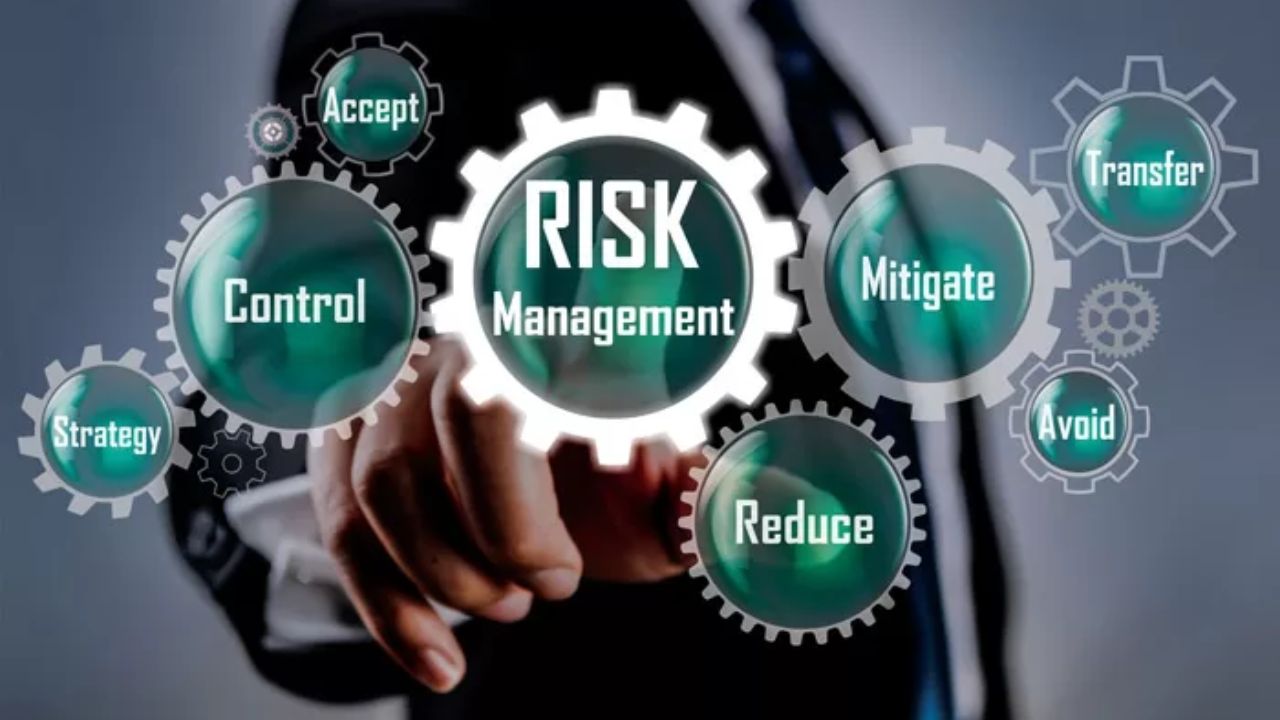

Risk Management Frameworks in Digital Strategy

Risk Management

Digital strategy defines how organizations adopt technology to improve performance, competitiveness, and service delivery. However, digital transformation introduces new forms of risk, including cybersecurity exposure, regulatory non-compliance, operational disruption, and reputational damage. Risk management frameworks provide structured methods to identify, assess, and mitigate these risks within strategic planning. A comprehensive digital strategy does not treat … Read more

ATISR Briefing – Strengthening Digital Infrastructure Resilience

ATISR

Digital infrastructure supports nearly every essential service in modern economies. Financial systems, healthcare platforms, energy grids, logistics networks, and government services all rely on interconnected digital environments. When these systems fail, the consequences extend beyond inconvenience to operational disruption and financial loss. This ATISR briefing on digital infrastructure resilience outlines structured, practical measures organizations can … Read more

Cybersecurity as a Board Level Responsibility – Governance, Risk, and Strategic Oversight

Cybersecurity

Cybersecurity has evolved from a technical function managed primarily by IT departments into a core governance issue requiring board-level attention. As organizations depend increasingly on digital infrastructure, the financial, operational, and reputational risks associated with cyber threats have intensified. Boards of directors are now expected to oversee cybersecurity strategy with the same rigor applied to … Read more

Cyber Risk Reporting Standards – Advancing Enterprise Transparency

Cyber Risk

Cybersecurity has become a central concern for enterprises across sectors. As digital infrastructure expands and threat landscapes evolve, stakeholders increasingly demand greater visibility into cyber risk exposure. In response, updated cyber risk reporting standards are reshaping how organizations disclose, assess, and manage cybersecurity threats. These revisions aim to strengthen enterprise transparency while aligning reporting practices … Read more

Cybersecurity Governance – Principles for Sustainable Risk Management

Cybersecurity Governance

Cybersecurity governance has moved from a technical back-office concern to a central pillar of organizational strategy. As digital systems expand across operations, customer engagement, and supply chains, the risks associated with cyber threats have grown in scale and complexity. Sustainable risk management now requires structured governance frameworks that integrate oversight, accountability, and long-term resilience. Rather … Read more

Organizational Resilience in the Digital Age – Systems and Strategy

Organizational Resilience

Organizations today operate in an environment shaped by rapid technological change, cybersecurity threats, market volatility, and regulatory complexity. Digital systems enable efficiency and innovation, but they also introduce new vulnerabilities. Organizational resilience in the digital age requires a structured approach that integrates systems capability with strategic foresight. Resilience is no longer limited to disaster recovery. … Read more

Strengthening IT Governance – Policies, Controls, and Organizational Accountability

Strengthening IT Governance

Information technology underpins nearly every core function in modern organizations. From financial reporting and supply chain management to customer engagement and data analytics, IT systems influence operational continuity and strategic performance. As reliance on technology increases, governance structures must evolve to ensure accountability, security, and alignment with corporate objectives. Strengthening IT governance involves developing clear … Read more