Digital Strategy and Competitive Advantage – Aligning Technology with Long Term Growth

Digital Strategy

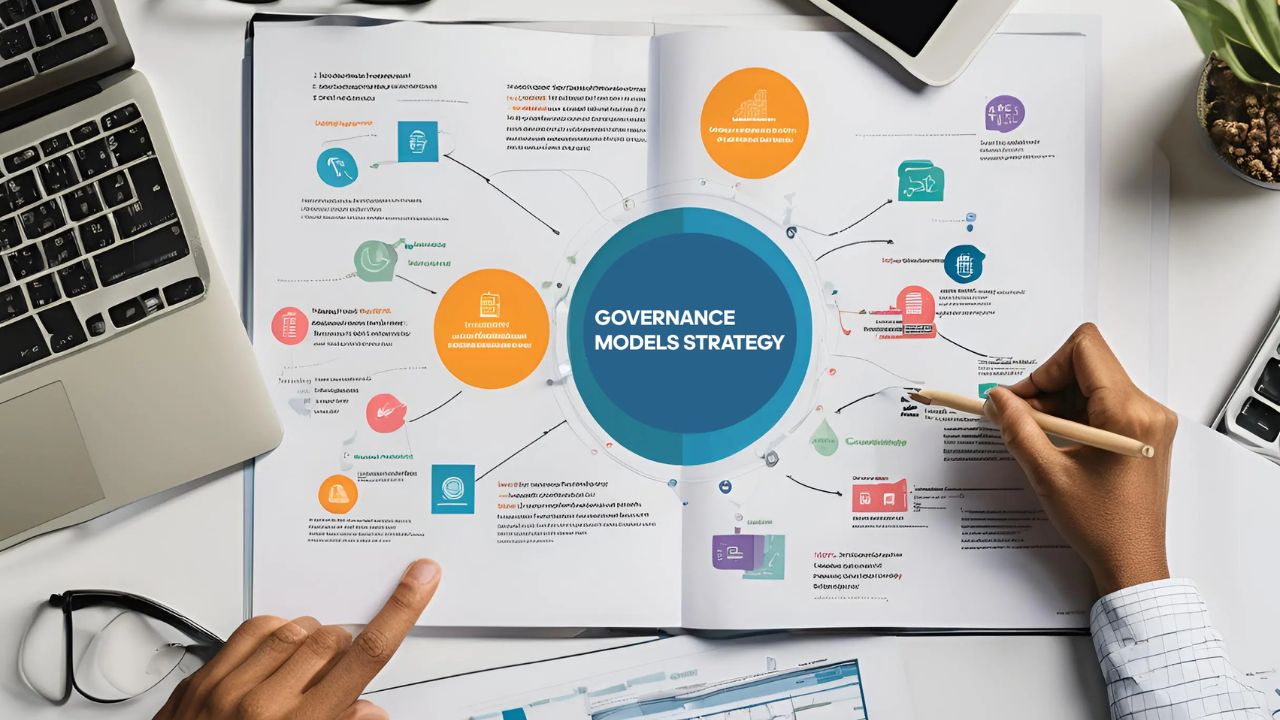
Digital strategy is no longer limited to technology upgrades or system modernization. It has become a central driver of competitive advantage across industries. Organizations that integrate digital capabilities into core strategy are better positioned to improve efficiency, enhance customer engagement, and respond to market shifts. Competitive advantage today depends not only on product quality or … Read more

ATISR Analysis of Digital Trust Frameworks – Structure, Trends, and Risk Evaluation

ATISR

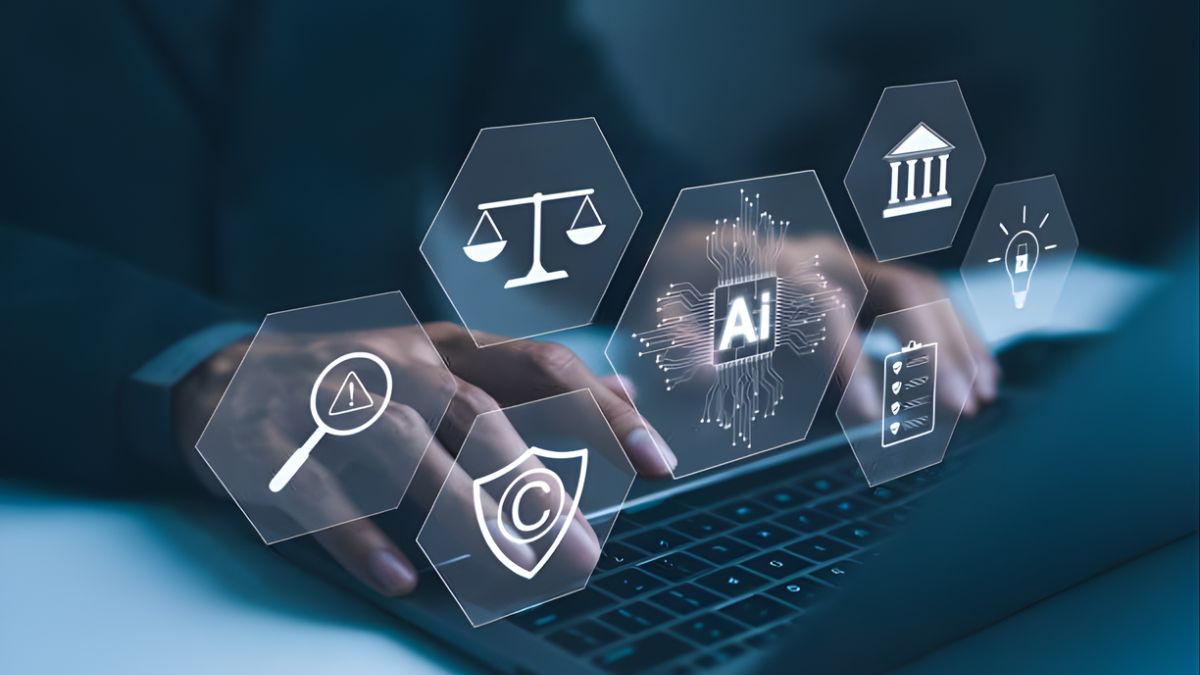
Digital trust has become central to online transactions, financial services, and data exchange. As organizations adopt cloud systems, digital identities, and cross-border platforms, structured trust models are essential. One analytical approach used in governance and risk assessment is ATISR. ATISR stands for Architecture, Transparency, Interoperability, Security, and Regulation. It provides a structured lens to evaluate … Read more

Transparency and Accountability in IT Governance – Strengthening Digital Oversight and Trust

Transparency

Organizations increasingly depend on information technology to support strategic objectives, operational efficiency, and regulatory compliance. As digital systems expand in scale and complexity, governance structures must ensure responsible oversight. Transparency and accountability are central principles in IT governance, providing clarity in decision-making and responsibility in execution. IT governance refers to the framework of policies, processes, … Read more

ATISR Forum – Looking into Sustainable IT Governance Models

ATISR Forum

The ATISR Forum has placed sustainable IT governance at the center of its recent discussions, reflecting a broader institutional shift toward long-term digital accountability. As organizations expand their reliance on information technology, governance structures must address not only operational efficiency but also environmental responsibility, risk oversight, and strategic alignment. Sustainable IT governance is no longer … Read more

Sustainable IT Governance Models for Long-Term Success

IT Governance

Technology drives modern enterprises, but without structured oversight, digital growth can quickly become fragmented and risky. Sustainable IT governance models provide the framework needed to align technology investments with long-term business objectives. As organizations expand cloud adoption, automation, and data analytics capabilities, governance must evolve to ensure resilience, accountability, and strategic value creation. Sustainability in … Read more

Organizational Resilience in the Digital Age – Systems and Strategy

Organizational Resilience

Organizations today operate in an environment shaped by rapid technological change, cybersecurity threats, market volatility, and regulatory complexity. Digital systems enable efficiency and innovation, but they also introduce new vulnerabilities. Organizational resilience in the digital age requires a structured approach that integrates systems capability with strategic foresight. Resilience is no longer limited to disaster recovery. … Read more

Digital Transformation in Organizations – Governance and Strategic Alignment

Digital

Digital transformation is no longer limited to technology upgrades. It represents a structural shift in how organizations operate, compete, and deliver value. From cloud migration and data analytics to automation and artificial intelligence, digital initiatives affect nearly every department. However, technology investments alone do not guarantee results. Sustainable transformation depends on governance frameworks and clear … Read more

Information Systems Auditing Today – Challenges, Tools, and Best Practices

Information Systems

Information systems now support nearly every core business function, from financial reporting to supply chain management and customer data processing. As digital reliance increases, the role of information systems auditing has expanded. Auditors are no longer focused solely on financial controls. They assess cybersecurity, data integrity, system reliability, and regulatory compliance. In today’s environment, information … Read more

Digital Innovation Capabilities – Managing Change in Information Systems

Digital Innovation

Digital transformation continues to reshape how organizations operate, compete, and deliver value. Information systems are no longer limited to back-office functions. They support strategy, customer engagement, analytics, and operational efficiency. However, adopting new technologies is not simply a technical upgrade. It requires structured change management and strong digital innovation capabilities. Organizations that manage change effectively … Read more

Strengthening Audit and Assurance in Information Systems Environments

Audit and Assurance

Information systems play a central role in organizational operations, decision-making, and regulatory compliance. As reliance on digital systems increases, the need for robust audit and assurance practices becomes more critical. Strengthening audit and assurance in information systems environments helps organizations manage risk, ensure data integrity, and maintain stakeholder confidence. Context Information systems environments are complex … Read more