Institutional Readiness – Preparing for Industry 5.0 Integration
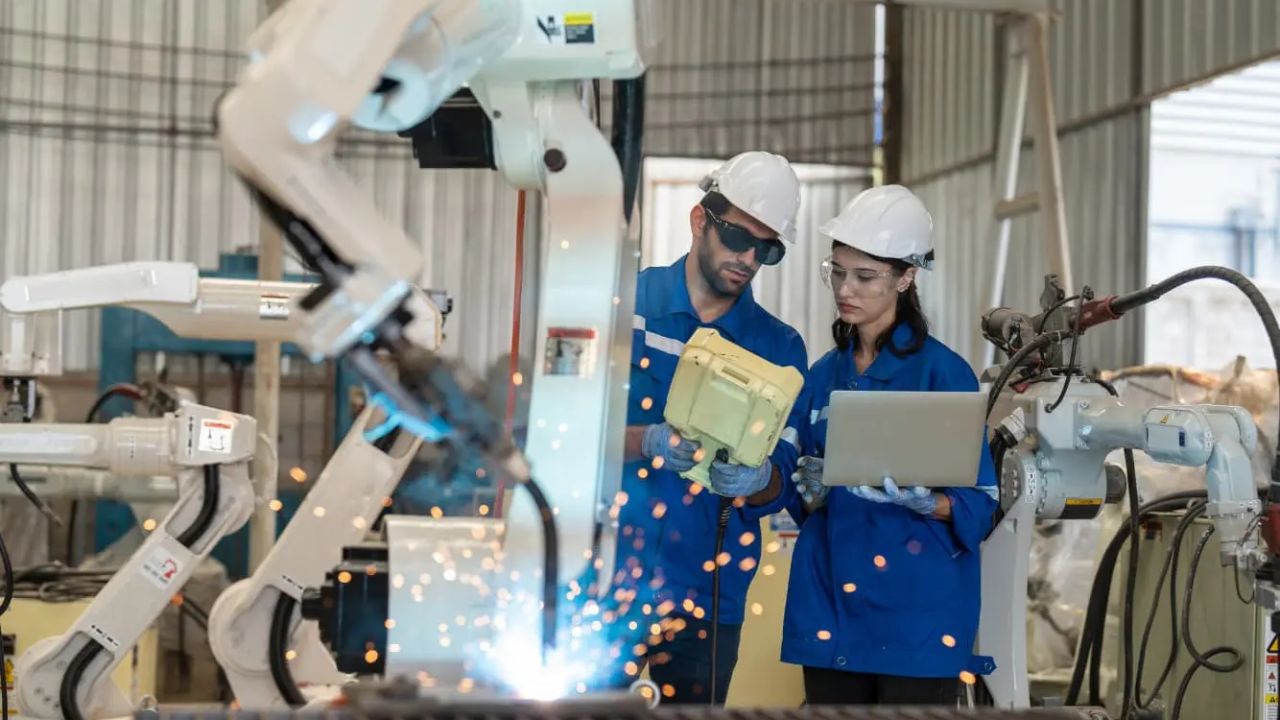
Institutional Readiness

Industry 5.0 represents the next phase of industrial transformation. While Industry 4.0 emphasized automation, data exchange, and interconnected systems, the new model expands the focus to human-machine collaboration, sustainability, and resilience. Institutions across sectors – including education, manufacturing, healthcare, and public administration – are evaluating how prepared they are for this transition. Institutional readiness for … Read more
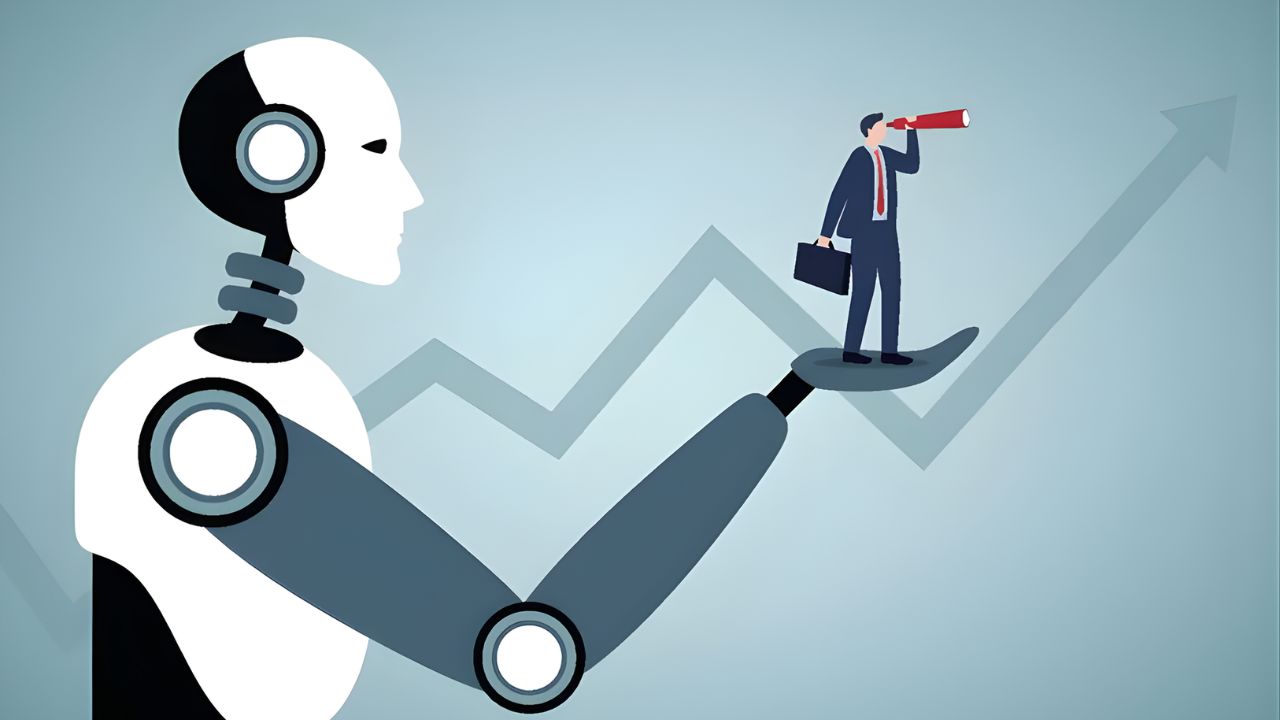

Human Dimension of Digital Strategy – Aligning Technology with People and Culture

Human Dimension

Digital strategy is often associated with cloud platforms, automation systems, and data analytics. Yet the success of any digital initiative ultimately depends on people. Technology can enable transformation, but it is employees, leaders, and customers who determine whether that transformation delivers value. The human dimension of digital strategy focuses on culture, skills, leadership, and communication … Read more

Sustainability Reporting in Technology Strategy – Aligning Innovation with Responsibility

Sustainability

Sustainability reporting is no longer limited to environmental disclosures in annual reports. In the technology sector, it has become a strategic tool that shapes decision-making, investment planning, and long-term competitiveness. As digital infrastructure expands and innovation cycles accelerate, companies are expected to measure and communicate their environmental, social, and governance performance with greater clarity. Sustainability … Read more

Digital Transformation in Organizations – Governance and Strategic Alignment

Digital

Digital transformation is no longer limited to technology upgrades. It represents a structural shift in how organizations operate, compete, and deliver value. From cloud migration and data analytics to automation and artificial intelligence, digital initiatives affect nearly every department. However, technology investments alone do not guarantee results. Sustainable transformation depends on governance frameworks and clear … Read more

Managing Innovation in Digital Organizations – Systems, Processes, and Outcomes

Managing Innovation in Digital Organizations

Digital organizations operate in environments defined by rapid technological change, competitive pressure, and evolving customer expectations. Innovation is no longer an optional activity but a core organizational function. Managing innovation effectively requires structured systems, clearly defined processes, and a focus on measurable outcomes. Together, these elements help digital organizations turn ideas into sustainable value. Context … Read more

Digital Innovation Management – Processes, Capabilities, and Outcomes

Digital Innovation

Digital innovation has become a central concern for organizations across sectors. Advances in data, platforms, and connectivity continue to reshape how products are developed, services are delivered, and decisions are made. Managing digital innovation effectively requires more than adopting new technologies. It involves structured processes, organizational capabilities, and a clear knowing of expected outcomes. This … Read more

ATISR Innovation Forum – Emerging Trends in Information Systems

ATISR

In the ever-evolving field of information systems, staying ahead of innovation is both a challenge and a necessity. The ATISR Innovation Forum, hosted by the Applied and Theoretical Information Systems Research network, provides a global stage for scholars, practitioners, and industry leaders to look and exchange insights on breakthrough developments. Focused on the intersection of … Read more

Digital Transformation in Organizations – Strategy, Culture, and Leadership

Digital Transformation in Organizations

Digital transformation is more than just adopting new technology – it’s a complete rethinking of how an organization operates, creates value, and serves its stakeholders in the digital age. Successful transformation depends not only on strategic planning but also on cultural alignment and strong leadership. Let’s look into how these three pillars – strategy, culture, … Read more

IT Strategy Explained – Aligning Technology with Business Goals

IT Strategy

In today’s digital-first world, technology is no longer a support function – it’s a strategic driver. That’s where IT strategy comes in. It’s the roadmap that organizations use to align their technology investments with their business goals, ensuring that every IT decision contributes to long-term growth, efficiency, and innovation. Whether you’re a business leader or … Read more

What Is Information Systems Research – Beginner’s Academic Guide

Information

Information systems research can sound a bit technical at first, but at its core, it’s about studying how people use technology to manage information. Whether it’s a company tracking its inventory, a government digitizing services, or a hospital using data to improve patient care – information systems (IS) are involved. And the academic field of … Read more