Future Trends in Information Systems Leadership – Strategy, Innovation, and Governance

Information Systems

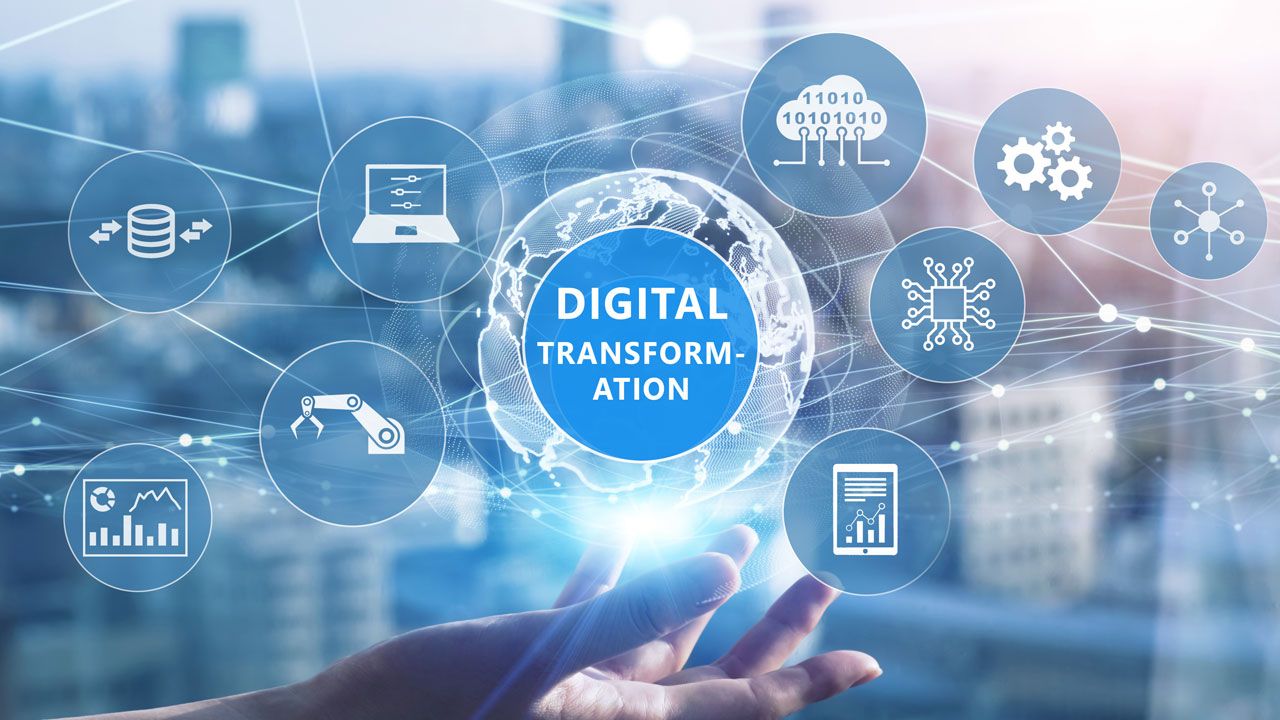
Information systems leadership is undergoing significant transformation. As organizations become increasingly data-driven and digitally integrated, leaders in information systems are expected to move beyond technical oversight. They now play a central role in strategy formulation, risk management, innovation governance, and institutional resilience. Future trends suggest that information systems leaders will be required to balance technological … Read more

Organizational Change Management in Tech Adoption – Aligning People, Processes, and Technology

Tech

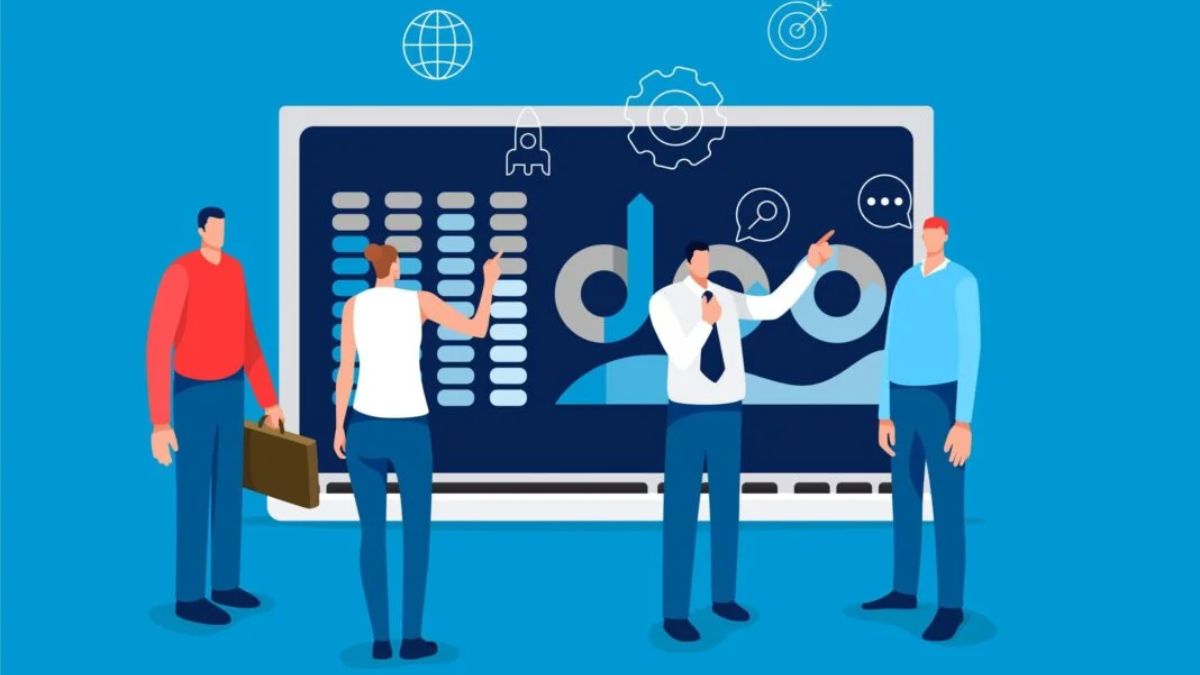
Technology adoption is rarely a purely technical exercise. While new systems may promise efficiency and innovation, successful implementation depends largely on how people adapt to change. Organizational change management provides the structure needed to guide employees, processes, and leadership through technological transitions. When organizations introduce new digital tools, enterprise platforms, or automation systems, resistance and … Read more

Strategic Foresight in Information Systems Planning – Preparing Organizations for Digital Uncertainty

Information Systems

Organizations operate in an environment shaped by rapid technological change, evolving customer expectations, and regulatory complexity. In this setting, information systems planning cannot rely solely on short-term projections. Strategic foresight offers a structured approach to anticipating future developments and aligning information systems with long-term objectives. Rather than predicting a single outcome, it prepares organizations for … Read more

The Evolution of Enterprise Architecture

Architecture

Enterprise architecture has evolved from a documentation-focused IT discipline into a strategic framework that guides digital transformation and organizational alignment. Originally designed to standardize technology infrastructure, enterprise architecture now supports decision-making across business strategy, governance, and innovation management. As organizations confront rapid technological change, enterprise architecture provides structure. It connects strategy, processes, data, applications, and … Read more

Institutional Agility in Rapid Technological Change

Technological

Technological change is accelerating across sectors. Artificial intelligence, automation, cloud computing, and data analytics are reshaping operations in government, education, healthcare, and finance. Institutions that once relied on multi-year planning cycles now face disruption within months. In this environment, institutional agility is no longer optional. It is a strategic requirement. Institutional agility refers to an … Read more

Human Centered Design – Transforming Information Systems for Real World Use

Human Centered Design

Information systems are the backbone of modern organizations. They manage data, support decision-making, and connect departments across digital platforms. Yet many systems fail not because of technical flaws, but because they overlook the needs of the people who use them. Human-centered design in information systems addresses this gap by placing users at the core of … Read more

Aligning Technology Strategy – With Organizational Vision

Technology

Technology investments can either accelerate an organization’s mission or create fragmented systems that drain resources. The difference often lies in alignment. Aligning technology strategy with organizational vision ensures that digital initiatives directly support long-term goals rather than operating as isolated projects. Organizations today operate in environments defined by rapid technological change, competitive pressure, and increasing … Read more

Long Term Evolution of Information Systems Leadership – From Operations to Strategy

Information Systems

Information systems leadership has undergone a profound transformation over the past several decades. What began as a technical oversight function focused on infrastructure maintenance has evolved into a strategic role shaping enterprise direction. Today, leaders in information systems influence innovation, risk management, digital transformation, and competitive positioning. Knowing the long-term evolution of information systems leadership … Read more

Strategic Alignment Between IT and Organizational Goals – Driving Sustainable Performance

Strategic Alignment

In modern enterprises, information technology is no longer a support function operating in isolation. It has evolved into a strategic enabler that shapes competitiveness, innovation, and operational efficiency. Strategic alignment between IT and organizational goals ensures that technology investments directly support business objectives rather than functioning as disconnected infrastructure. Organizations that successfully align IT strategy … Read more

Sustainable Growth Through Digital Integration – Aligning Technology with Long Term Value

Technology

Sustainable growth has become a central objective for organizations operating in dynamic markets. At the same time, digital integration continues to reshape business models, operational processes, and customer engagement. When these two priorities converge, digital integration becomes more than a modernization effort. It becomes a strategic pathway toward stable, long-term expansion. Sustainable growth through digital … Read more