Enterprise Risk Intelligence in Information Systems – Enhancing Strategic Risk Awareness

Intelligence

Organizations operate in environments shaped by technological complexity, regulatory demands, cybersecurity threats, and operational uncertainty. As information systems become central to strategic and operational processes, managing associated risks requires more than traditional risk assessment. Enterprise risk intelligence in information systems integrates data analytics, governance frameworks, and predictive insights to strengthen organizational resilience. Risk intelligence refers … Read more
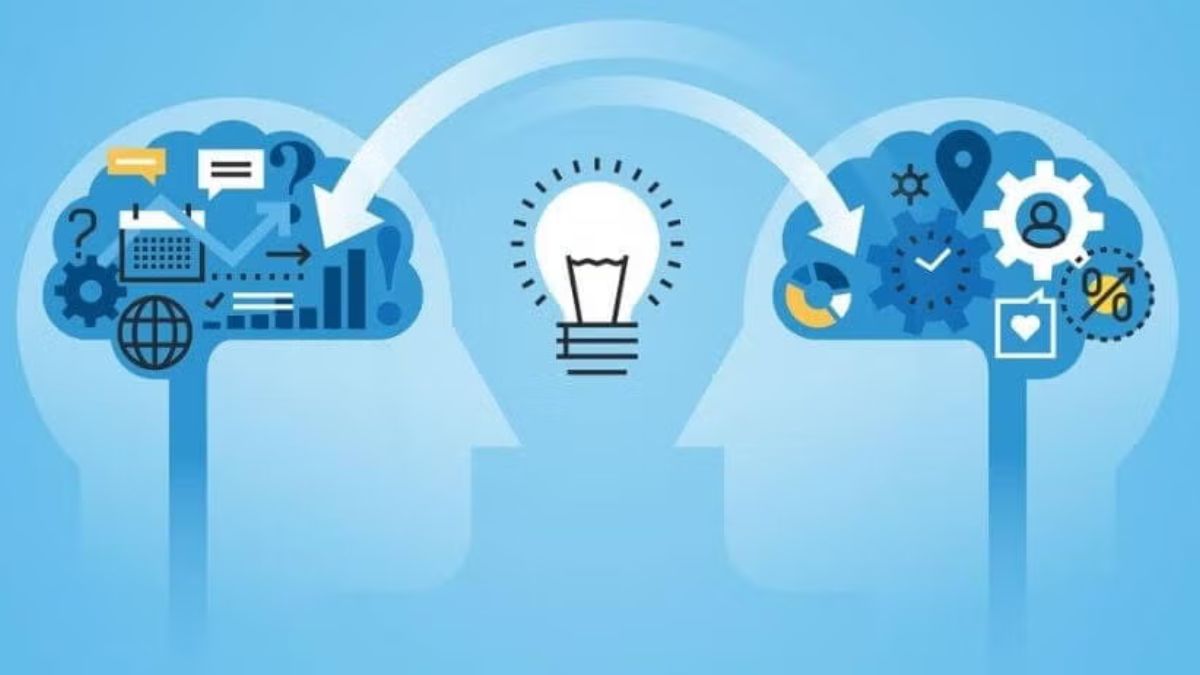

Interdisciplinary Collaboration in Technology Research – Integrating Knowledge for Innovation

Collaboration

Technology research has become increasingly complex, often extending beyond the boundaries of a single discipline. Challenges such as artificial intelligence ethics, cybersecurity resilience, sustainable computing, and smart infrastructure require expertise from multiple fields. Interdisciplinary collaboration in technology research brings together diverse knowledge domains to address these multifaceted issues more effectively. Rather than working in isolation, … Read more

Transparency and Accountability in IT Governance – Strengthening Digital Oversight and Trust

Transparency

Organizations increasingly depend on information technology to support strategic objectives, operational efficiency, and regulatory compliance. As digital systems expand in scale and complexity, governance structures must ensure responsible oversight. Transparency and accountability are central principles in IT governance, providing clarity in decision-making and responsibility in execution. IT governance refers to the framework of policies, processes, … Read more

Economics of Digital Innovation – Value Creation in a Technology Driven Economy

Economy

Digital innovation has reshaped industries, business models, and global markets. From cloud computing and artificial intelligence to e-commerce platforms and fintech solutions, digital technologies are redefining how value is created and distributed. Knowing the economics of digital innovation requires examining cost structures, network effects, scalability, and competitive dynamics that distinguish digital markets from traditional ones. … Read more

Organizational Change Management in Tech Adoption – Aligning People, Processes, and Technology

Tech

Technology adoption is rarely a purely technical exercise. While new systems may promise efficiency and innovation, successful implementation depends largely on how people adapt to change. Organizational change management provides the structure needed to guide employees, processes, and leadership through technological transitions. When organizations introduce new digital tools, enterprise platforms, or automation systems, resistance and … Read more

AI Powered Performance Monitoring Systems – Transforming Organizational Oversight and Decision Making

AI

Performance monitoring has traditionally relied on periodic evaluations, manual reporting, and static metrics. While effective to an extent, these approaches often lack real-time responsiveness and predictive capability. AI-powered performance monitoring systems introduce advanced analytics, automation, and machine learning to provide continuous insight into organizational performance. By integrating artificial intelligence into monitoring frameworks, organizations can move … Read more

Enterprise Automation in Administrative Operations – Enhancing Efficiency and Organizational Performance

Administrative Operations

Administrative operations form the backbone of any enterprise. From finance and human resources to procurement and records management, these functions ensure organizational continuity. However, traditional administrative processes often rely on repetitive manual tasks, paper-based workflows, and fragmented systems. Enterprise automation introduces structured digital solutions that streamline operations, reduce errors, and improve overall efficiency. Enterprise automation … Read more

Green IT Implementation in Academic Campuses – Advancing Sustainable Digital Infrastructure

Green

Academic campuses rely heavily on information technology to support teaching, research, administration, and communication. Data centers, computer labs, smart classrooms, and campus networks consume significant energy and generate electronic waste. As sustainability becomes a strategic priority, Green IT implementation offers a structured approach to reducing environmental impact while maintaining operational efficiency. Green IT refers to … Read more

Strategic Foresight in Information Systems Planning – Preparing Organizations for Digital Uncertainty

Information Systems

Organizations operate in an environment shaped by rapid technological change, evolving customer expectations, and regulatory complexity. In this setting, information systems planning cannot rely solely on short-term projections. Strategic foresight offers a structured approach to anticipating future developments and aligning information systems with long-term objectives. Rather than predicting a single outcome, it prepares organizations for … Read more

ATISR Perspective on Knowledge Commercialization – Bridging Research and Real World Impact

ATISR

Knowledge commercialization has become a central theme in modern research ecosystems. Universities, innovation hubs, and applied research institutions increasingly focus not only on generating knowledge but also on translating it into practical solutions. From an ATISR perspective, knowledge commercialization represents a structured pathway that connects academic research with industry, society, and economic development. ATISR emphasizes … Read more