Performance Measurement in IS Projects – Evaluation and Continuous Improvement

Performance Measurement

Information Systems (IS) projects play a critical role in digital transformation, operational efficiency, and competitive advantage. However, many IS initiatives struggle to demonstrate measurable value after implementation. Performance measurement provides a structured approach to evaluate outcomes, ensure accountability, and support continuous improvement. Effective measurement goes beyond tracking deadlines and budgets. It assesses whether systems deliver … Read more


Digital Risk Assessment – Tools for Auditing Modern Information Systems

Digital Risk Assessment

Modern organizations rely on interconnected information systems that support finance, operations, communication, and customer engagement. As digital infrastructure expands, so do risk exposures. Cyber threats, data breaches, system misconfigurations, and regulatory violations can disrupt operations and damage reputation. Digital risk assessment provides a structured approach to identifying, evaluating, and mitigating these risks. Auditing modern information … Read more

Research Capacity Building – Training, Grants, and Institutional Support

Research Capacity Building

Research capacity building is a strategic priority for universities, research institutes, and policy organizations. Strong research capacity enhances innovation, supports evidence-based decision-making, and strengthens institutional reputation. However, developing research capability requires coordinated investment in training, funding mechanisms, and structural support systems. Sustainable research ecosystems do not emerge automatically. They depend on deliberate planning, resource allocation, … Read more

Organizational Resilience in the Digital Age – Systems and Strategy

Organizational Resilience

Organizations today operate in an environment shaped by rapid technological change, cybersecurity threats, market volatility, and regulatory complexity. Digital systems enable efficiency and innovation, but they also introduce new vulnerabilities. Organizational resilience in the digital age requires a structured approach that integrates systems capability with strategic foresight. Resilience is no longer limited to disaster recovery. … Read more

From Theory to Application – Translating IS Research into Practice

IS Research

Information Systems (IS) research generates models, frameworks, and analytical tools designed to improve how organizations manage technology. Yet a persistent challenge remains – how to translate theoretical findings into practical application. Academic insights often remain confined to journals, while practitioners focus on operational realities. Bridging this gap is essential for maximizing the value of IS … Read more

Data Governance Frameworks – Balancing Innovation with Compliance

Data Governance

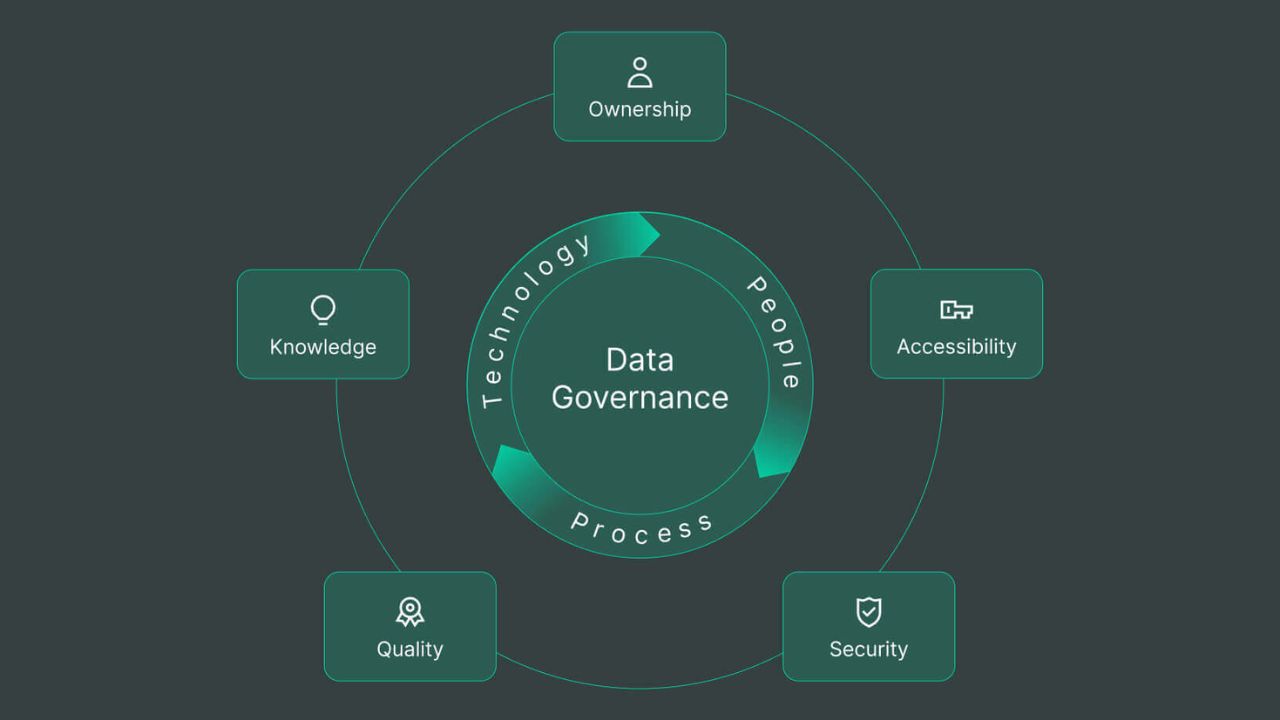
Data has become a strategic asset for organizations across industries. From customer analytics and operational forecasting to artificial intelligence development, data-driven decision-making shapes competitive advantage. However, as organizations expand their data capabilities, regulatory expectations and privacy risks increase. Data governance frameworks help balance innovation with compliance by establishing structured oversight without limiting growth. Effective governance … Read more

Emerging Trends in Information Systems Research – Methods and Applications

Information Systems Research

Information systems research continues to evolve alongside technological innovation and organizational change. As digital technologies reshape industries, researchers examine how systems influence strategy, performance, governance, and user behavior. Emerging trends reflect both methodological advancement and expanding application areas. Knowing these developments helps academics and practitioners identify future research directions and practical implications. The field increasingly … Read more

Strengthening IT Governance – Policies, Controls, and Organizational Accountability

Strengthening IT Governance

Information technology underpins nearly every core function in modern organizations. From financial reporting and supply chain management to customer engagement and data analytics, IT systems influence operational continuity and strategic performance. As reliance on technology increases, governance structures must evolve to ensure accountability, security, and alignment with corporate objectives. Strengthening IT governance involves developing clear … Read more

Managing Information Systems Change – Frameworks and Implementation Challenges

Managing Information

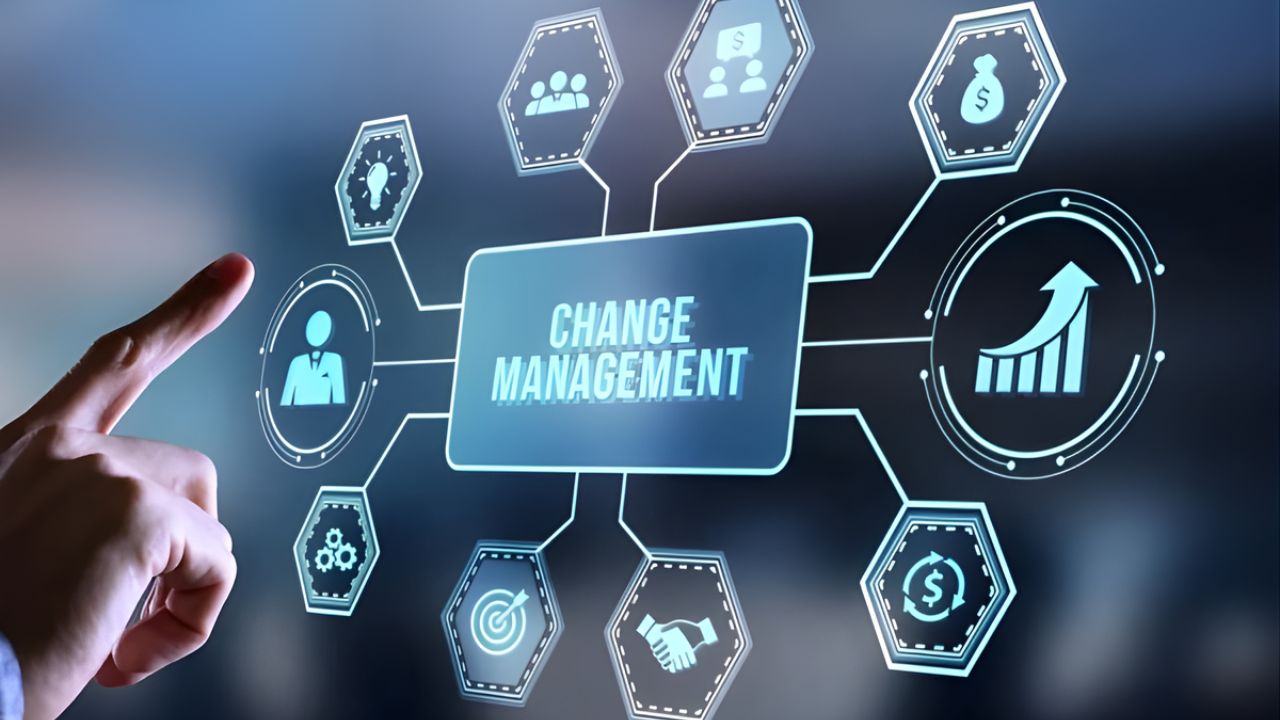
Information systems (IS) are central to modern organizations. From enterprise resource planning platforms to customer relationship management tools, these systems support decision-making, operations, and communication. However, implementing or upgrading information systems is rarely straightforward. Change initiatives often involve technical complexity, process redesign, and cultural adaptation. Effective management of information systems change requires structured frameworks and … Read more

Digital Transformation in Organizations – Governance and Strategic Alignment

Digital

Digital transformation is no longer limited to technology upgrades. It represents a structural shift in how organizations operate, compete, and deliver value. From cloud migration and data analytics to automation and artificial intelligence, digital initiatives affect nearly every department. However, technology investments alone do not guarantee results. Sustainable transformation depends on governance frameworks and clear … Read more